
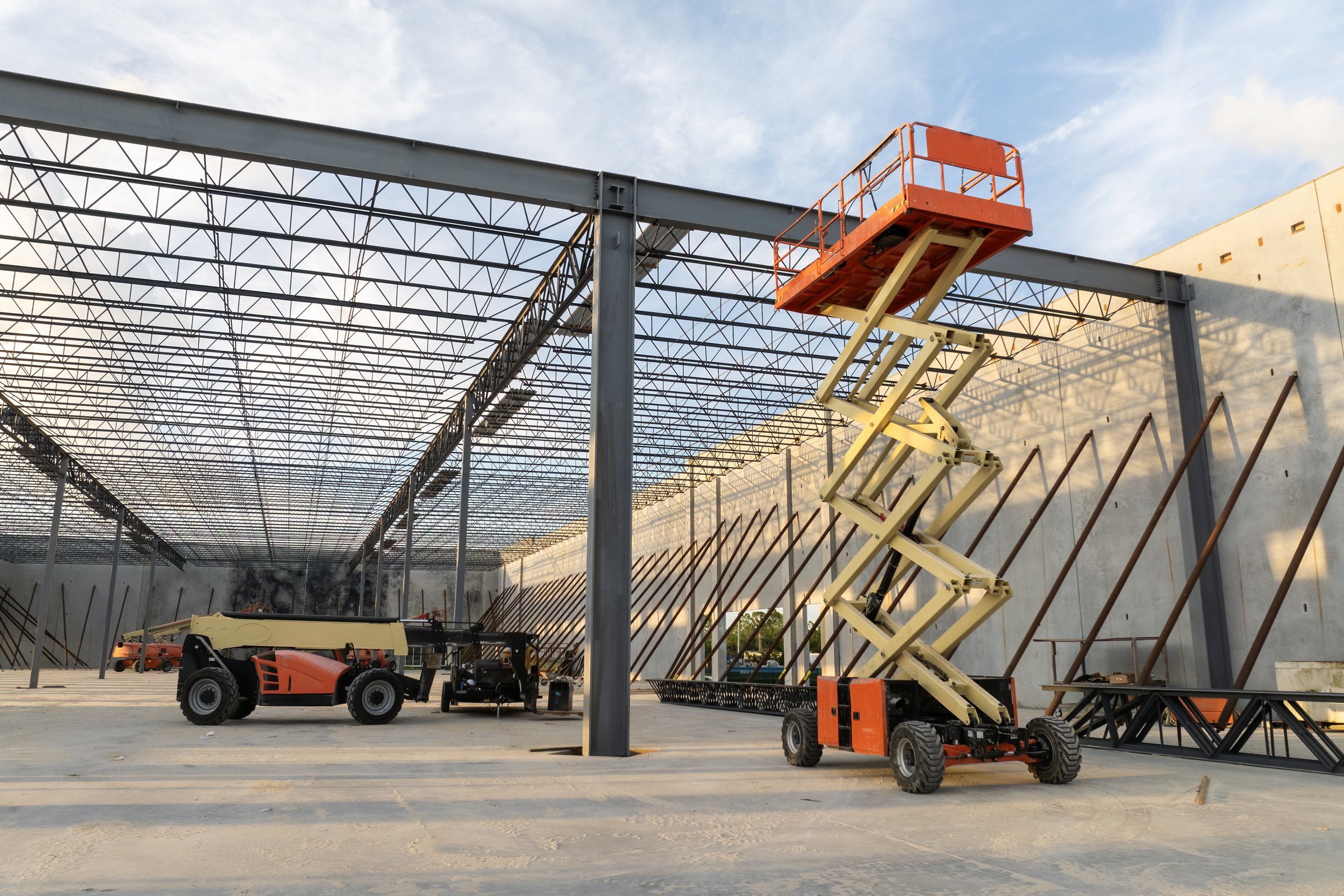
Aerial Lift & Scissor Lift Training in Oklahoma That Prepares Your Operators to Work Safer
When your employees are working high above the ground, the last thing you want is someone figuring out how to operate the equipment while they're already in the air.
One missed inspection. One unstable surface. One overhead obstruction. One wrong move. That's all it can take to turn a routine job into a serious incident.
And when you're responsible for the people operating that equipment, you want to know they've been properly prepared.
Boston Safety & Compliance provides practical aerial lift and scissor lift training that helps employees recognize hazards, understand their equipment, and make safer decisions before the platform ever leaves the ground.
Led by Jeffery Barnett, training connects lift safety requirements with the real-world conditions operators face on construction sites, in industrial facilities, and throughout commercial workplaces.
Because you're not simply looking for another certificate.
You want operators who understand the equipment, supervisors who recognize unsafe conditions, and the confidence that your people are better prepared to work safely at height.
Based in Chickasha, Oklahoma, we serve businesses throughout the state and offer nationwide training for qualifying engagements.
The Real Risk Isn't Just the Height. It's What Operators Don't Recognize.
Many lift hazards aren't obvious until someone knows what to look for.
A surface that appears stable may not support the equipment.
An overhead beam can become an entrapment hazard.
Changing weather can affect safe operating conditions.
An equipment defect may be missed when inspections become routine.
Your employees need to understand more than which control moves the platform.
They need to recognize the conditions that can make operation unsafe.
Imagine having operators who are better prepared to:
Inspect equipment before use.
Recognize unstable ground and overhead obstructions.
Understand equipment limitations.
Identify crushing, entrapment, and fall hazards.
Know when to stop and report unsafe conditions.
Respond appropriately when workplace conditions change.
The goal isn't to make your operators nervous about using a lift. It's to make them more knowledgeable about using it responsibly.
That's where practical training makes a difference.
Let's Get Your Operators Ready to Work Safer.
Your Operators Know How to Raise the Platform. But Do They Know When They Shouldn't?
Operating a lift might look simple. Move the machine into position. Step onto the platform. Raise it to the work area. Get the job done.
But understanding the controls is only one part of operating elevated equipment safely.
Think about what happens when:
An operator misses a defect during a pre-use inspection.
A lift is positioned on unstable ground or too close to a drop-off.
Someone raises a platform without checking overhead clearance.
A worker doesn't understand the equipment's operating limits.
Employees are unclear about applicable fall protection requirements.
A general contractor asks for operator training records your company can't readily provide.
These aren't situations you want to discover after an incident.
And you shouldn't have to wonder whether your operators were properly trained every time a lift goes up.
What Will Your Employees Learn in Aerial Lift & Scissor Lift Training?
Aerial lift and scissor lift training helps workers understand the equipment, hazards, inspections, and operating practices involved in elevated work.
But not every lift operates the same way.
A boom lift, scissor lift, vertical mast lift, and other mobile elevated work platforms can have different operating characteristics, limitations, and applicable safety requirements.
That's why the training should match the equipment your employees actually use, not just the name of a general course.
Jeffery connects instruction to the work being performed, the equipment involved, and the conditions operators may encounter on the job.
-
Depending on the equipment and scope of training, instruction may include:
Equipment inspections: Recognizing defects, checking controls and safety devices, and understanding when equipment should be removed from service.
Work-area evaluation: Identifying unstable ground, slopes, holes, overhead obstructions, vehicle traffic, and changing conditions.
Safe operating practices: Understanding platform positioning, load limitations, movement, stability, and manufacturer instructions.
Fall protection awareness: Reviewing guardrails, fall hazards, and the fall protection requirements applicable to the equipment and work.
Crushing and entrapment hazards: Recognizing risks involving overhead structures, beams, ceilings, and restricted work areas.
Emergency procedures: Understanding emergency controls, communication, equipment malfunctions, and rescue considerations.
Operator responsibilities: Knowing when to stop work, report unsafe equipment, or ask for additional instruction.
Hands-on demonstrations and practical operator evaluations may also be included depending on the training arrangement.
-
Start with the equipment your employees actually operate.
Training needs may differ for:
Boom lifts.
Scissor lifts.
Vertical mast lifts.
Personnel lifts.
Other mobile elevated work platforms.
Employees who operate different types of equipment may need additional instruction or evaluations appropriate to those machines.
Knowing how to operate one lift doesn't automatically prepare someone to operate every type of lift.
And completing a classroom course isn't automatically the same as demonstrating practical operating proficiency or receiving employer authorization.
We'll discuss your equipment and the appropriate training scope before scheduling.
-
Training may be appropriate for employees and supervisors involved in elevated work, including:
Construction workers and contractors.
Industrial and facility maintenance teams.
Electricians and mechanical contractors.
Warehouse and manufacturing employees.
Sign installers, painters, and glazing contractors.
Roofing and specialty subcontractors.
Equipment operators.
Supervisors, foremen, and safety managers.
Whether your team uses lifts every day or occasionally rents equipment for a specific project, training should reflect the equipment and responsibilities involved.
Not Sure What Training Your Operators Need?
Tell us which machines your employees use and what work they're performing.

Why Businesses Trust Jeffery Barnett With Their Lift Safety Training
You don't want someone simply reading an equipment manual to your operators.
You want an instructor who understands what can happen when equipment condition, ground stability, overhead hazards, and human decisions come together.
Someone who recognizes that real jobsites aren't perfect environments.
Someone who understands why small details matter when employees are working at height.
That's the perspective Jeffery Barnett brings to aerial lift and scissor lift training.
-
Jeffery Barnett, owner and Chief Consultant of Boston Safety & Compliance, brings extensive experience in OSHA compliance, workplace investigations, construction safety, and specialized equipment training.
His background includes:
OSHA regulations and workplace safety compliance.
Aerial lift, scissor lift, and elevated-work safety.
Construction, industrial, and high-risk environments.
Fall protection and scaffold safety.
Workplace inspections and accident investigations.
Police and detective work, including investigative analysis and attention to detail.
Expert witness case analysis involving workplace safety and accidents.
Jeffery's professional background includes Certified Safety and Health Official (CSHO) and Safety, Health & Environmental Professional (SHEP) credentials.
He has provided safety training and services across 26 states and more than 35 industries, including work with major general contractors.
His experience also includes tower climbing and safety training for the National Oceanic and Atmospheric Administration (NOAA).
That broader perspective helps connect training concepts to the conditions employees may encounter on actual jobsites.
-
Jeffery's experience in workplace investigations and expert witness work adds an important dimension to his instruction.
When an elevated-work incident occurs, investigators may examine questions such as:
Was the machine inspected?
Was the operator properly trained?
Were the ground conditions evaluated?
Were there overhead hazards?
Were equipment limitations understood?
Was appropriate fall protection used?
Did someone recognize the risk before the incident?
Those questions matter after something goes wrong.
But they're much more valuable when your operators understand them before starting work.
That's why the training emphasizes inspections, hazard recognition, operator responsibilities, and safe work practices.
-
Your employees don't need vague reminders to "be careful."
They need to understand what unsafe conditions look like and why those conditions matter.
Jeffery focuses on practical explanations and workplace examples that help operators connect safety requirements to the equipment they're using.
Whether your team operates boom lifts, scissor lifts, or other elevated work platforms, the objective is to make the instruction relevant to their responsibilities.
Because knowing how to move a platform is one thing. Understanding when it shouldn't move is another.
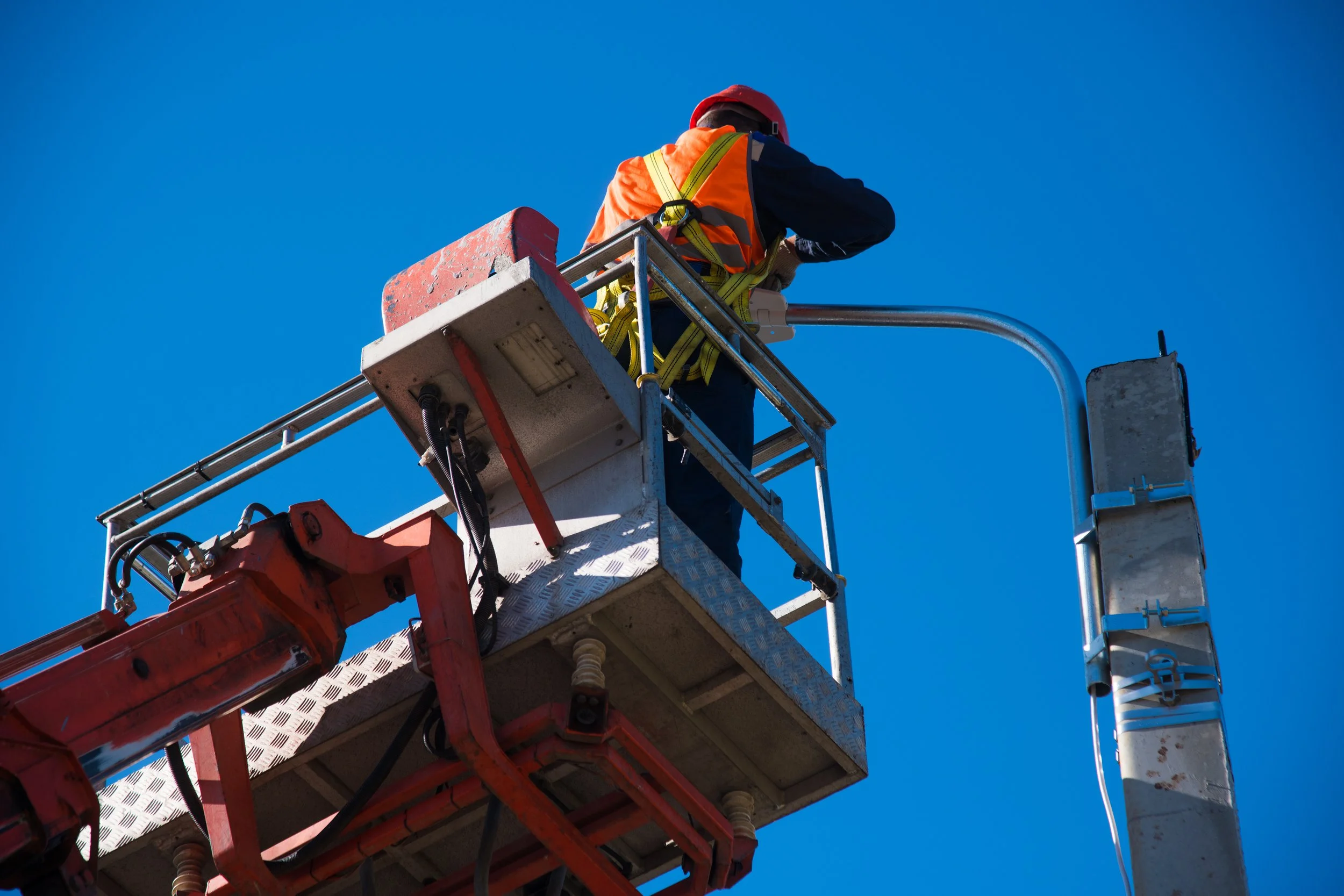
Aerial Lift Training That Fits Your Equipment, Crew, and Schedule
You've got projects to complete, employees to manage, and customers expecting results.
Getting your operators trained shouldn't become another complicated project.
That's why we start with your equipment, your workforce, and the work your employees actually perform.
Getting Started Is Simple
-
We'll discuss the type of lift your employees use, how many people need training, where the work takes place, and what prompted your request.
Maybe you've purchased or rented new equipment.
Maybe you're assigning new operators.
Maybe a general contractor has requested training documentation.
Or maybe you've noticed unsafe operating practices that need to be addressed.
Whatever the reason, that's where we begin.
-
We'll review your equipment, operator responsibilities, worksite conditions, scheduling needs, and whether hands-on demonstrations or practical evaluations are appropriate.
Some employees may need equipment-specific familiarization.
Others may also require separate fall protection instruction or additional employer-provided training.
The goal is to identify what your team actually needs.
-
Training is delivered according to the agreed scope, with instruction focused on the equipment, hazards, and operating responsibilities involved.
Depending on the engagement, documentation may include attendance records, course materials, completion certificates, and practical operator evaluations.
Any documentation will reflect the instruction and evaluation actually completed.
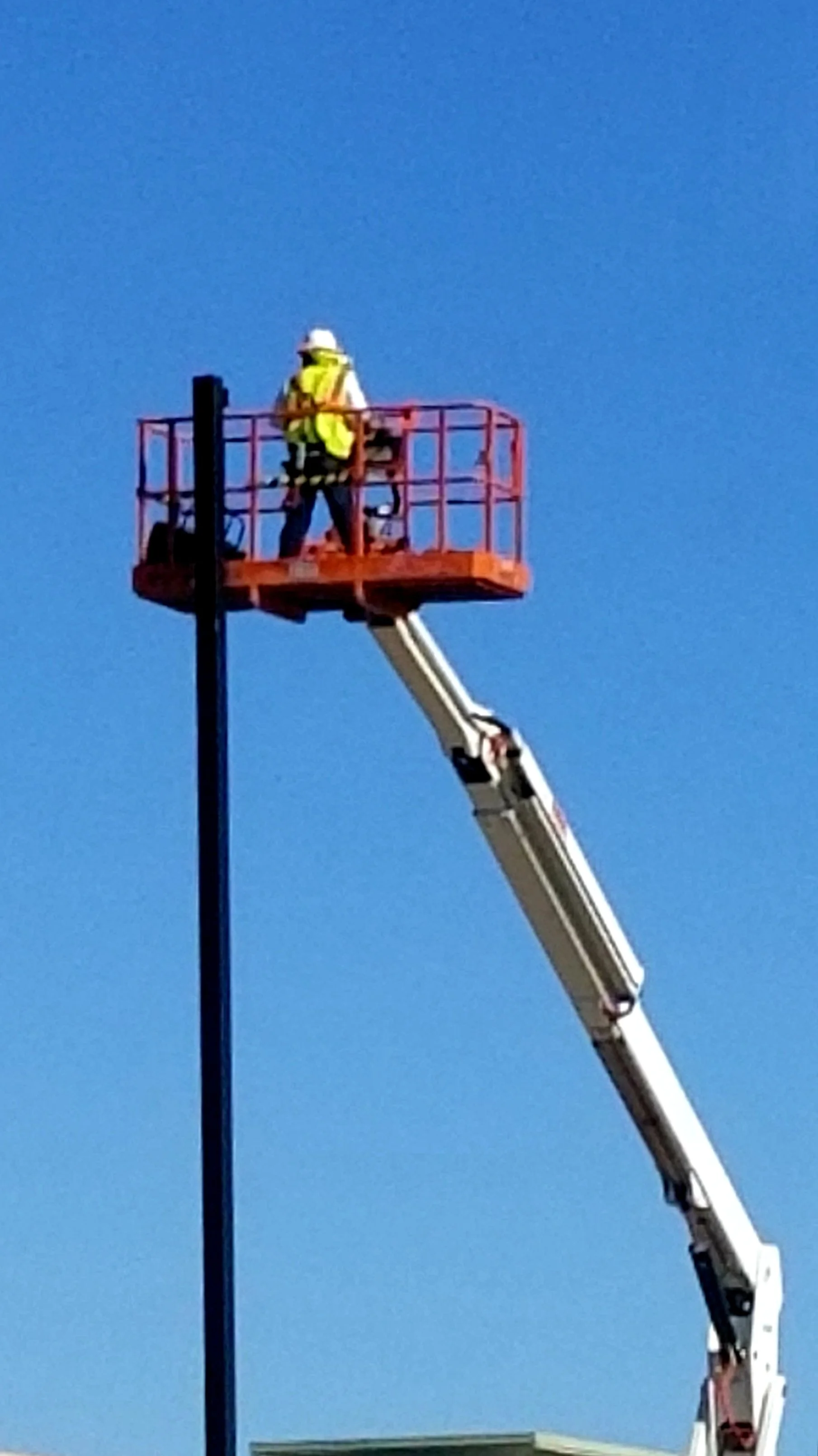
Can Training Be Provided at Our Jobsite?
Yes, onsite aerial lift and scissor lift training may be available for qualifying engagements.
This can be especially helpful when practical instruction involves the equipment employees will operate.
Training arrangements may include:
Onsite training at your workplace.
Instruction at an arranged venue.
Equipment-specific familiarization.
Hands-on demonstrations and operator evaluations.
Training for multiple crews, shifts, or locations.
Refresher or recurring instruction.
Qualifying nationwide engagements.
Important: Client-provided equipment is generally needed for practical instruction or operator evaluation. Rental arrangements may also be discussed. Boston Safety & Compliance does not ordinarily provide the lift equipment.
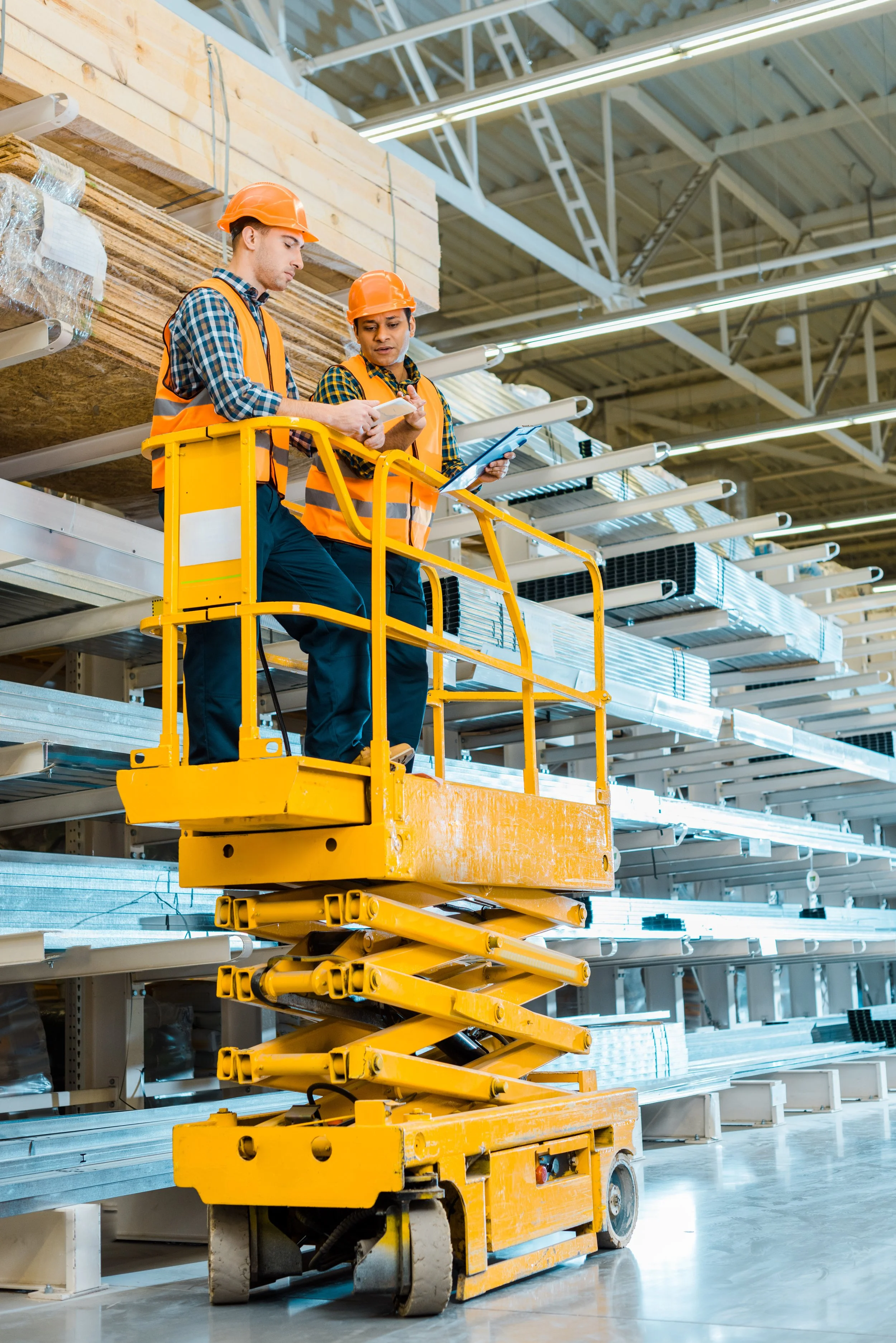
How Much Does Aerial Lift Training Cost?
Training cost depends on your equipment, workforce, and specific requirements.
Factors may include:
Number of participants and sessions.
Types of lifts being used.
Course duration and customization.
Hands-on demonstrations or operator evaluations.
Equipment availability or rental needs.
Location, travel, and scheduling.
Documentation requirements.
A classroom awareness session is different from equipment-specific instruction with practical operator evaluation.
We'll discuss the details before proposing the appropriate scope.
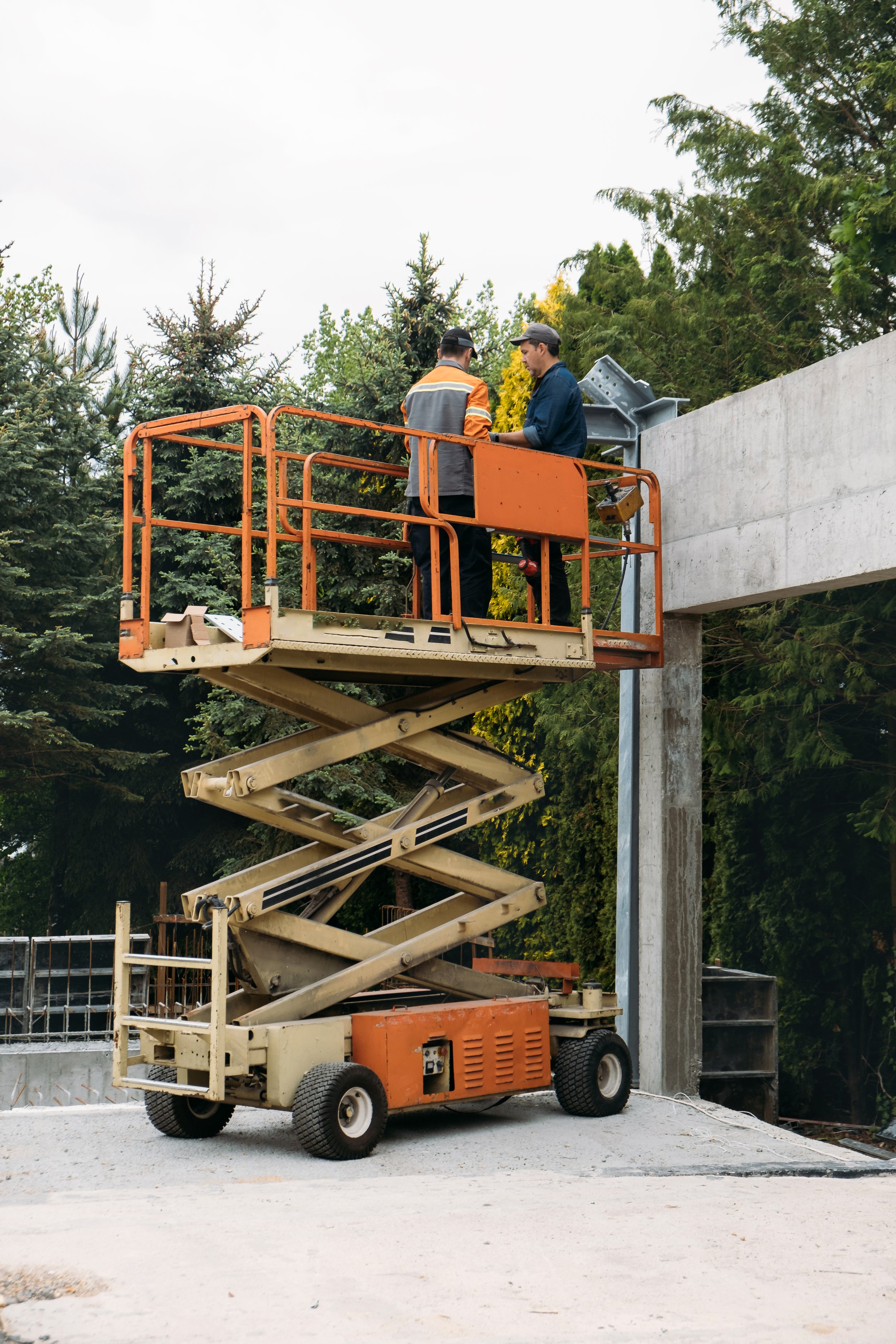
Aerial Lift & Scissor Lift Training in Oklahoma and Nationwide
Boston Safety & Compliance is based in Chickasha, Oklahoma, and serves businesses throughout the state, including Oklahoma City, Norman, Edmond, Moore, Yukon, Tulsa, Stillwater, Lawton, and surrounding communities.
Nationwide training may also be available for qualifying organizations depending on location, equipment access, scheduling, and training requirements.
Whether you're preparing operators for a new construction project or training multiple crews across different worksites, start by telling us what equipment your team uses.
Ready to Get Your Operators Trained?
Before the Platform Goes Up, Give Your Operators the Knowledge to Make Safer Decisions
When your employees are working at height, you want more than someone who knows which button raises the platform.
You want someone who understands the machine.
Someone who pays attention to the work area.
Someone who recognizes when conditions aren't right.
Someone who knows when to stop and ask questions.
Because the consequences of an unsafe decision can be serious, and the people operating that equipment are counting on their employer to help prepare them.
You can't eliminate every risk associated with elevated work.
But you can give your employees a stronger understanding of the equipment, hazards, and operating practices that matter.
That's not just another training expense. It's a practical investment in the people who make your business possible.
Frequently Asked Questions About Aerial Lift & Scissor Lift Training
-
Training requirements depend on the equipment, work environment, employee responsibilities, and applicable safety standards. Employers are responsible for determining the training, evaluation, and authorization requirements relevant to their operations. A general lift awareness course may not satisfy every operator training requirement.
-
Hands-on evaluations may be included depending on the training engagement. Practical instruction and evaluation generally require access to appropriate equipment. Confirm the exact course scope, evaluation requirements, and documentation before scheduling.
-
Yes, onsite training may be available for qualifying engagements. This is especially useful when the class includes equipment-specific instruction, inspections, demonstrations, or practical operator evaluations. Scheduling depends on location, equipment access, class size, and other requirements.
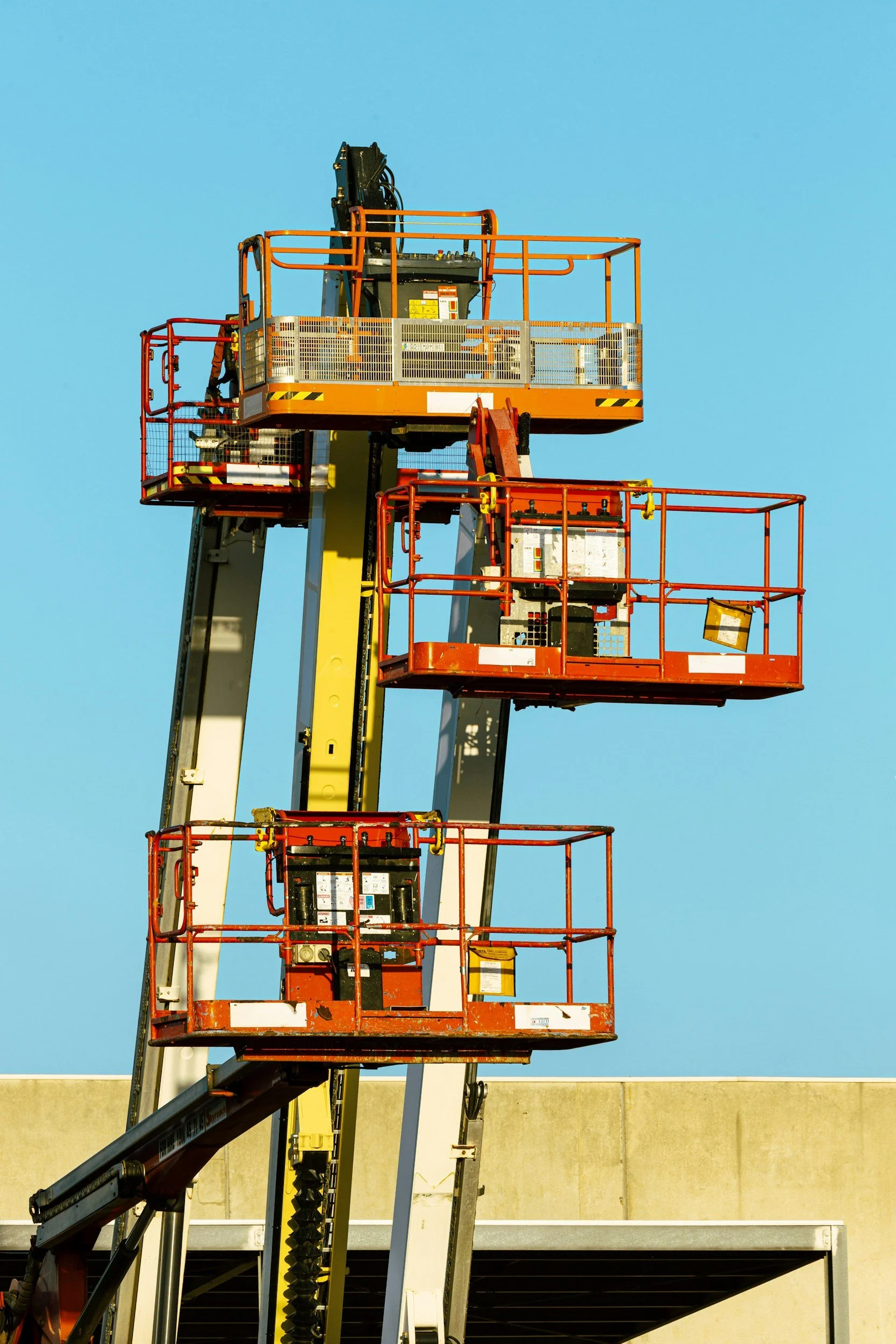
Your Operators Are Working at Height. Make Sure They're Prepared Before They Go Up.
Your employees shouldn't have to learn an important lift safety lesson after an incident.
Give them the opportunity to understand their equipment, recognize unsafe conditions, and make better decisions before the platform leaves the ground.
Whether you've rented new equipment, hired new operators, or want to strengthen existing safety practices, we're ready to discuss your training needs.
Tell us what equipment your employees use, how many operators need training, and where the training needs to take place.
We'll help you identify the next practical step