
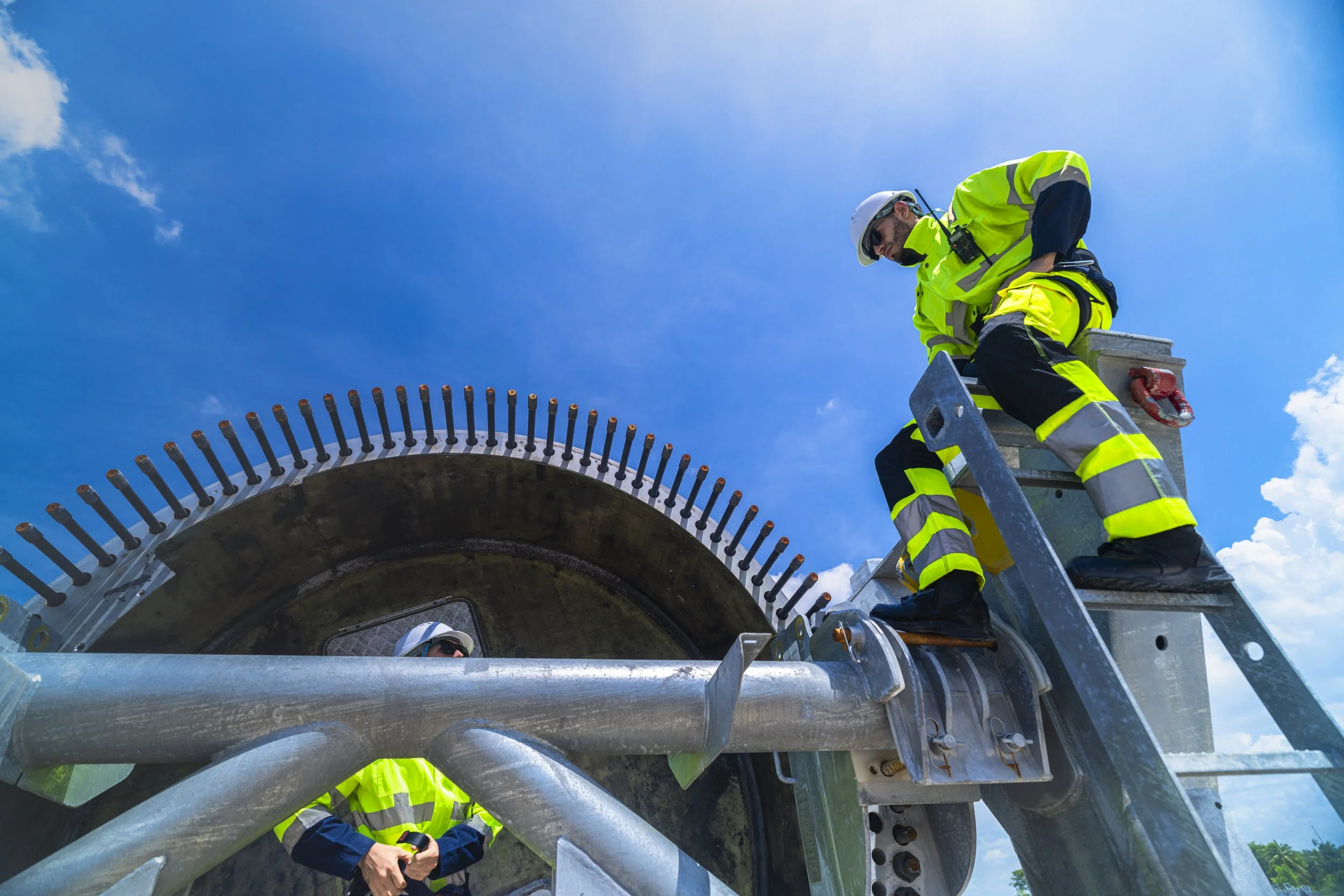
Ladder Safety Training in Oklahoma That Helps Protect Your Crew
It only takes one damaged rung, one unstable ladder, or one bad decision to turn an ordinary workday into something no employer wants to face.
Your employees use ladders to get the job done.
Sometimes every day.
And because ladders are so familiar, it's easy for workers to overlook the risks.
A quick climb. An extra stretch. A ladder that looks good enough.
Until it isn't.
Boston Safety & Compliance provides practical ladder safety training that helps workers recognize hazards, inspect equipment, choose the right ladder, and use it more safely before someone gets hurt.
Led by Jeffery Barnett, training connects OSHA ladder safety requirements with the real-world conditions your employees face on construction sites, in industrial facilities, and throughout commercial workplaces.
Because you're not simply trying to complete another safety class.
You want employees who understand the risks, supervisors who reinforce safe practices, and the confidence that your people are better prepared before they climb.
Based in Chickasha, Oklahoma, we serve businesses throughout the state and offer nationwide training for qualifying engagements.
Tell us about your crew, the ladders they use, and what prompted your training request.
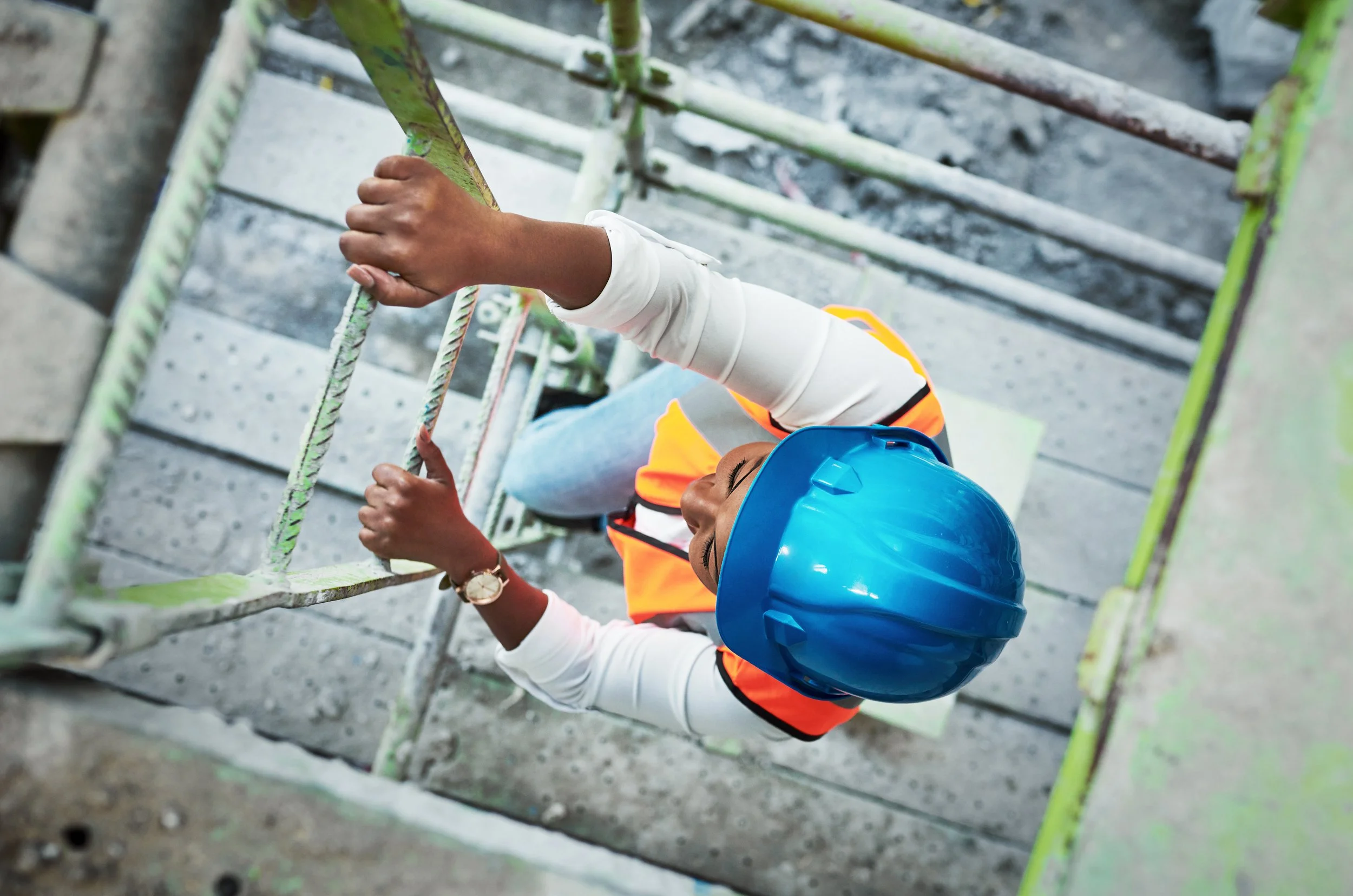
Your Employees Use Ladders Every Day. Are They Using Them Safely?
Think about how often someone on your team reaches for a ladder: to change a light, reach a roof, install equipment, access a work area, complete a task that should only take a few minutes.
It's routine work.
And that's exactly why ladder hazards can be overlooked.
Consider what happens when:
An employee grabs the nearest ladder instead of the right one.
A damaged ladder stays in service because nobody removes it.
A worker places a ladder on uneven or unstable ground.
Someone leans too far instead of climbing down and repositioning.
Employees use ladders without inspecting them first.
Different supervisors allow different ladder safety practices.
None of these situations has to begin with someone deliberately ignoring safety.
Sometimes the problem is simply that workers don't recognize what makes the situation unsafe.
And when you're responsible for the crew, you don't want to find out they misunderstood a basic safety precaution after someone falls.
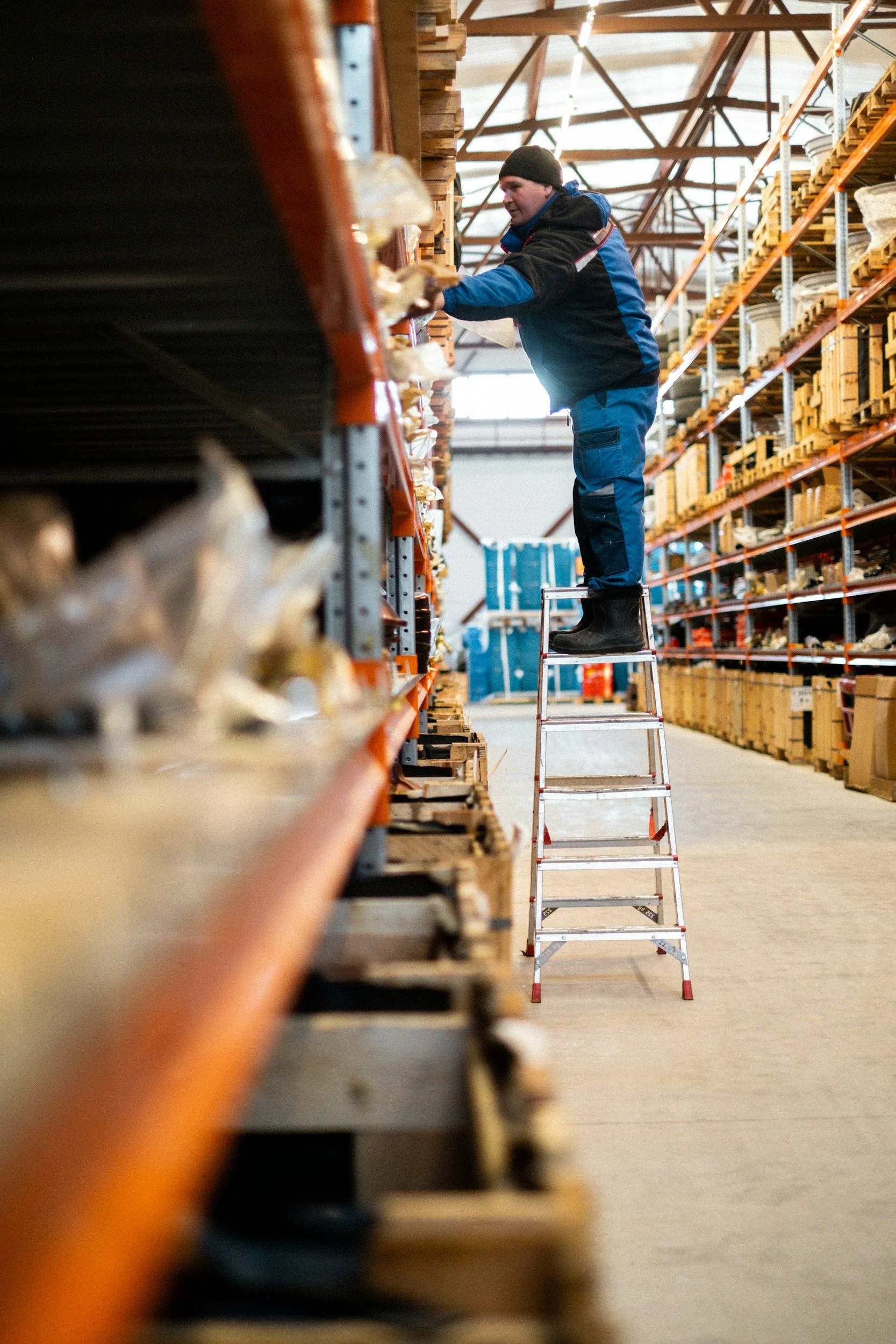
Familiar Equipment Doesn't Mean Safe Equipment
You can't personally inspect every ladder or watch every employee climb.
That's why your people need to understand what to look for before they use the equipment.
Imagine having workers who are better prepared to:
Inspect ladders before climbing.
Recognize damage that makes equipment unsafe.
Choose a ladder appropriate for the task.
Set up ladders on suitable surfaces.
Avoid dangerous reaching or positioning.
Remove defective ladders from service.
Recognize when a ladder isn't the right access method.
Those are practical skills that can influence what happens on your jobsite every day.
The goal isn't to make employees afraid of ladders. It's to help them respect the risks and make better decisions.
And that starts with training that reflects the work they're actually doing.
Let's Get Your Crew Ready to Work Safer.
What Will Your Employees Learn in Ladder Safety Training?
Ladder safety training helps employees understand the hazards associated with selecting, inspecting, setting up, climbing, working from, and storing ladders.
But your employees don't need a long lecture about everything that could go wrong.
They need clear instruction about what safe ladder use looks like in their workplace.
Jeffery focuses on connecting safety principles to the equipment, tasks, and conditions your workers encounter.
-
Depending on your workforce and training needs, instruction may include:
Choosing the right ladder: Understanding ladder types, height, duty ratings, load capacity, and which equipment is appropriate for the task.
Pre-use ladder inspections: Recognizing damaged rungs, bent rails, missing components, defective feet, and other unsafe conditions.
Proper setup and positioning: Understanding stable surfaces, appropriate angles, secure placement, and surrounding hazards.
Safe climbing and ladder use: Maintaining balance, avoiding overreaching, handling tools appropriately, and following manufacturer instructions.
Electrical and environmental hazards: Recognizing risks involving overhead power lines, weather, traffic, and changing work conditions.
Removing unsafe ladders from service: Understanding why damaged equipment must be identified, reported, and kept out of use.
Supervisor responsibilities: Reinforcing safe practices, identifying repeated problems, and addressing unsafe ladder use.
Hands-on demonstrations may also be incorporated when appropriate equipment and training arrangements are available.
-
Not necessarily.
Ladder safety training focuses on the hazards associated with ladder selection, inspection, setup, and use.
Fall protection training may address additional elevated-work hazards, protection systems, equipment, and responsibilities.
Depending on the work your employees perform, they may need both.
You shouldn't have to guess which training your company needs.
Tell us what work your employees perform, the equipment they use, and the hazards they're exposed to.
We'll discuss the appropriate options and whether additional training should be considered.
-
Training may be appropriate for employees and supervisors who use or oversee ladder work, including:
Construction workers and general contractors.
Roofing crews and specialty subcontractors.
Electricians, plumbers, and HVAC technicians.
Industrial and manufacturing employees.
Warehouse and facility maintenance teams.
Commercial service workers.
Supervisors, foremen, and safety managers.
New employees and workers who use ladders occasionally.
Just because someone has used a ladder for years doesn't automatically mean they've learned proper inspection, setup, or safe-use practices.
Experience is valuable. Training helps reinforce the standards employees should be following.

Why Businesses Trust Jeffery Barnett With Their Ladder Safety Training
You don't need someone to tell your employees that falling off a ladder is dangerous.
They already know that.
What they need is someone who can explain the conditions that create risk, how to recognize those conditions, and what to do differently.
That's where real-world safety experience matters.
Jeffery Barnett, owner and Chief Consultant of Boston Safety & Compliance, brings extensive experience in workplace safety, OSHA compliance, construction safety, investigations, and specialized safety training.
-
Jeffery's professional background includes:
OSHA regulations and workplace safety compliance.
Ladder safety and fall protection.
Construction, industrial, and high-risk workplaces.
Scaffold safety and aerial lift operations.
Workplace inspections and accident investigations.
Police and detective work, including investigative analysis and attention to detail.
Expert witness case analysis involving workplace safety and accidents.
His safety education and professional background include Certified Safety and Health Official (CSHO) and Safety, Health & Environmental Professional (SHEP) credentials.
Jeffrey has provided safety training and services in 26 states across more than 35 industries, including work with major general contractors.
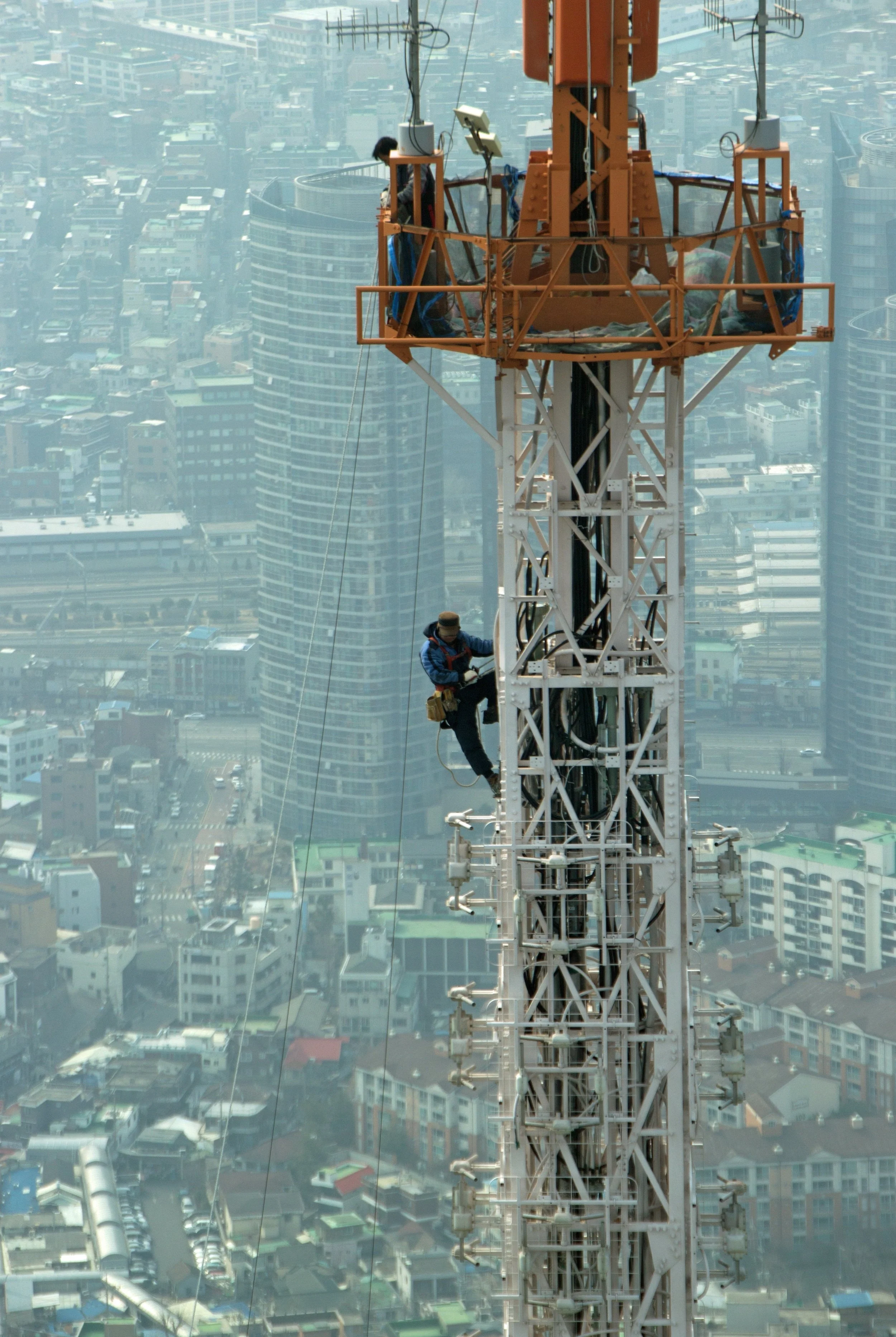
His experience also includes tower climbing and safety training for the National Oceanic and Atmospheric Administration (NOAA).
That range of experience helps him bring practical context to training instead of relying solely on classroom explanations.
-
Jeffery's investigation and expert witness experience adds an important perspective.
When a ladder-related injury occurs, investigators may examine questions such as:
Was the ladder appropriate for the job?
Was it inspected?
Was it damaged?
Was it positioned correctly?
Did employees know how to use it?
Had a supervisor noticed the unsafe condition?
Those questions matter after an incident.
But they matter even more before one happens.
The objective is to help employees recognize the warning signs while they still have an opportunity to make a safer choice.
-
Nobody wants another safety class that sounds good but doesn't connect to the work being performed.
Your employees need to know what unsafe ladder use looks like.
They need to understand why positioning matters, why damaged equipment can't stay in service, and why taking an extra minute to move a ladder can be the better decision.
Jeffery's training emphasizes practical examples and understandable instruction.
Because your workers don't need more safety slogans. They need to understand what to do when they're standing in front of the equipment.

Ladder Safety Training That Fits Your Crew and Your Workplace
You have projects to complete, employees to manage, and customers depending on you.
Getting your team trained should make your job easier, not create another scheduling headache.
That's why the process starts with understanding how your employees actually use ladders.
Getting Started Is Simple
-
We'll discuss your employees, the types of ladders they use, the work they perform, and what prompted the request.
Maybe you're onboarding new workers.
Maybe a general contractor requires documented training.
Maybe supervisors keep noticing the same unsafe habits.
Or maybe a near miss made it clear that your crew needs a refresher.
Whatever the reason, that's where we start.
-
We'll discuss the training scope, participant roles, location, equipment, scheduling, and whether hands-on demonstrations make sense.
Some workplaces may need straightforward employee instruction.
Others may benefit from additional supervisor-focused content or separate fall protection training.
The goal is to identify what your team actually needs, not add unnecessary services.
-
Training is delivered according to the agreed scope, with practical instruction appropriate to the work and equipment involved.
Depending on the engagement, attendance records, training materials, and completion documentation may be provided.
Your employees leave with a better understanding of the hazards associated with ladder use and the practices intended to help control those risks.
Can Ladder Safety Training Be Provided at Our Workplace?
Yes, onsite training may be available for qualifying engagements.
That can be especially useful when employees need instruction involving the actual ladder types they use on the job.
Training arrangements may include:
Onsite instruction at your workplace.
Training at an arranged venue.
Hands-on demonstrations where appropriate.
Employee and supervisor-focused sessions.
Multiple crews, shifts, or locations.
Refresher and recurring training.
Qualifying nationwide engagements.
Exact arrangements depend on your workforce, equipment, location, and training objectives.

How Much Does Ladder Safety Training Cost?
Training cost depends on the scope of your request.
Factors may include:
Number of participants and sessions.
Ladder types and training topics.
Course length and customization.
Hands-on demonstration requirements.
Location, travel, and scheduling.
Documentation and related training needs.
A short class for one crew is different from a customized program covering multiple locations and shifts.
We'll review the needs of your workforce before discussing the appropriate scope and pricing.
Ladder Safety Training in Oklahoma and Nationwide
Boston Safety & Compliance is based in Chickasha, Oklahoma, serving businesses throughout the state, including Oklahoma City, Norman, Edmond, Moore, Yukon, Tulsa, Stillwater, Lawton, and surrounding communities.
Nationwide training may also be available for qualifying organizations depending on location, scheduling, equipment access, and training requirements.
Whether you need to train a small maintenance crew or several groups across different worksites, start by telling us what your employees do.
Ready to Get Your Team Trained?
Don't Wait for a Fall to Find Out Your Crew Needed Better Training
One employee overlooks damage.
Another leans a little too far.
Someone chooses the wrong ladder because it's closer.
And a routine task suddenly carries consequences nobody expected.
You can't eliminate every workplace hazard.
But you can help your employees understand what makes ladder use unsafe, how to recognize warning signs, and when to make a different decision.
That's not just good safety training. It's a practical way to show your team that getting the job done matters, but getting home safely matters more.
Nobody plans for a ladder incident.
Most people assume they'll finish the task, climb down, and move on to the next job.
And most days, that's exactly what happens.
But the familiarity of ladder work can make it easier for unsafe habits to go unnoticed.
Frequently Asked Questions About Ladder Safety Training
-
Training requirements depend on the work, hazards, equipment, and applicable OSHA standards. Employers are responsible for determining and providing instruction required for their operations. Ladder safety training can help workers understand proper selection, inspection, setup, and use.
-
There isn't one fixed duration for every ladder safety class. Training length depends on the types of ladders used, number of participants, employee responsibilities, workplace conditions, and whether hands-on demonstrations or supervisor-focused instruction are included.
-
Yes, hands-on demonstrations may be arranged when appropriate. These can help employees better understand ladder inspections, setup, positioning, and common unsafe practices using equipment relevant to their work.

Your Team Depends on Safe Equipment. Make Sure They Know How to Use It.
Your employees shouldn't have to learn an important ladder safety lesson after someone gets hurt.
Give them a stronger understanding of what to inspect, how to use ladders appropriately, and when equipment or working conditions aren't safe.
Whether you're preparing for a new project, training new employees, or addressing repeated unsafe practices, we're ready to discuss your needs.
Tell us about your crew, the ladders they use, and where the training needs to take place.
We'll help you identify the next practical step.