
OSHA Training That Helps Your People Make Better Decisions When the Work Gets Real
You can't be on every jobsite, watch every decision, or catch every hazard. But you can give your supervisors the training to lead with confidence.
Every day, your supervisors make decisions that affect the people counting on them.
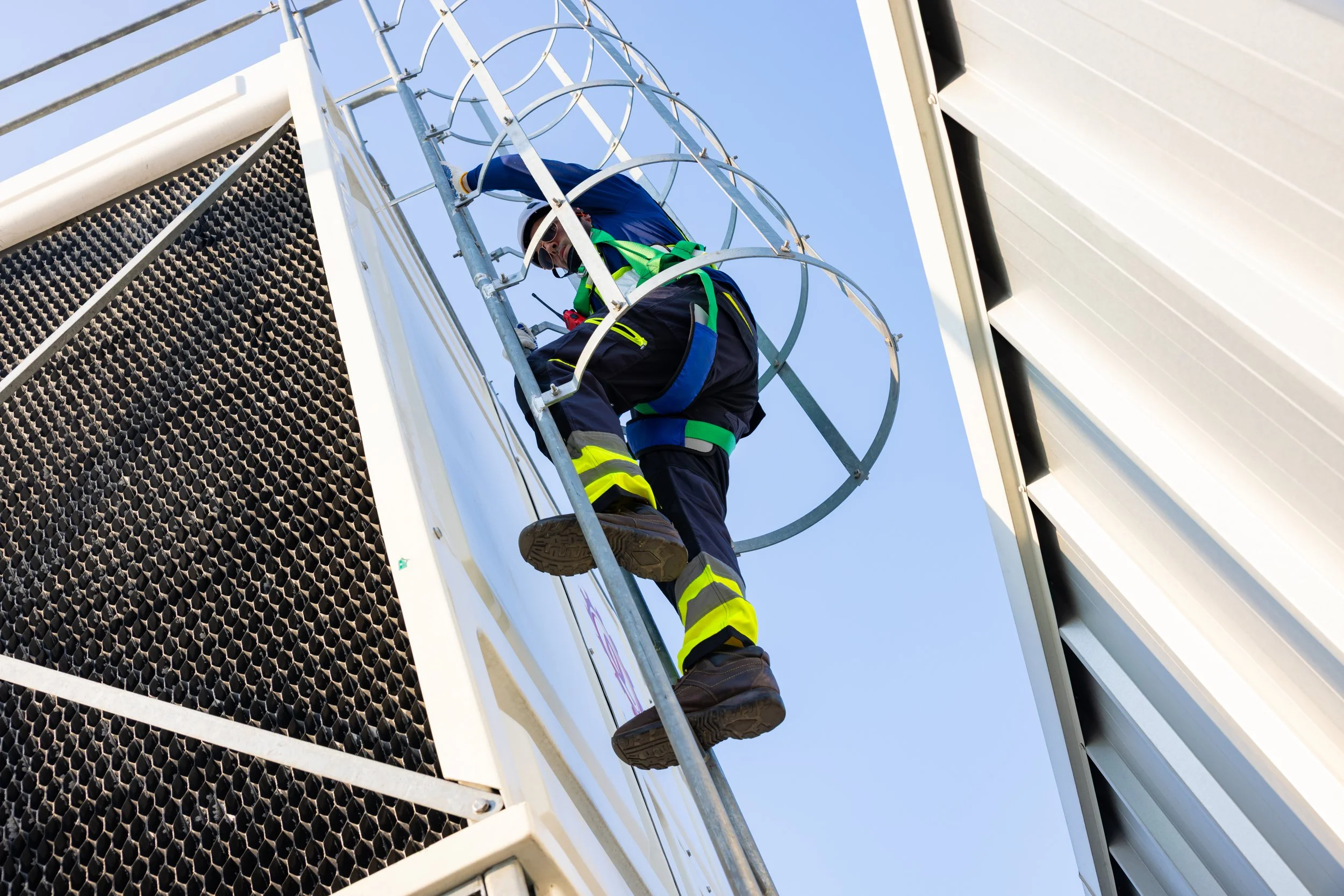
A ladder doesn't look right. A crew is rushing to finish. Someone notices a fall hazard but isn't sure whether to stop work.
What happens next?
The answer often comes down to one thing: Does the person leading the crew recognize the risk and know how to respond?
That's where OSHA 30 training makes a difference.
Boston Safety & Compliance provides practical OSHA 30 training for construction supervisors, foremen, project managers, and workplace safety leaders throughout Oklahoma and nationwide for qualifying engagements.
Led by Jeffery Barnett, our training connects OSHA requirements and hazard awareness to the real-world decisions supervisors face every day.
Because your goal isn't simply to get another card for the file.
It's to have supervisors who recognize hazards, take their responsibilities seriously, and help make sure everyone goes home safely at the end of the day.
Get your supervisors the training they need to lead safer work.
Your Supervisors Are Making Safety Decisions Every Day. Are They Ready?
You hire supervisors because you trust them to lead.
To manage people.
To keep projects moving.
To solve problems before those problems get bigger.
But experience alone doesn't always prepare someone to recognize workplace hazards or understand their safety responsibilities.
And the risks aren't always obvious.
A damaged ladder stays in service because everyone is busy.
A missing guardrail gets overlooked because the job is almost finished.
A near miss becomes a quick conversation instead of a chance to correct a serious problem.
One supervisor stops work when something isn't right. Another lets the exact same condition slide.
Sound familiar?
These situations don't necessarily happen because people don't care.
They often happen because supervisors haven't received the training, guidance, or consistent expectations needed to recognize and address hazards.
The problem isn't that your supervisors aren't working hard. It's that hard work can't replace safety knowledge.
And when you're the one responsible for the operation, that uncertainty follows you home.
You shouldn't have to wonder whether the people leading your crews understand the hazards they're working around.
What Changes When Your Leaders Know What to Look For?
Imagine walking onto a jobsite where your supervisors are better prepared to:
Recognize unsafe conditions before work continues.
Understand when a concern needs to be corrected or escalated.
Communicate safety expectations clearly.
Reinforce consistent safety practices across crews.
Identify situations that require additional training or expertise.
Take a more active role in workplace safety.
That's the kind of leadership foundation OSHA 30 training is designed to support.
Not perfect jobsites.
Not a guarantee that an incident will never happen.
Better-informed supervisors making more thoughtful decisions when safety matters.
And as an owner, operations manager, or safety director, that's something worth investing in.
Let's Get Your Supervisors Ready to Lead.
What Your Team Will Learn in OSHA 30 Training
OSHA 30 is a 30-hour OSHA Outreach Training Program course that provides more extensive workplace safety and health hazard education than OSHA 10.
It's commonly selected for supervisors, foremen, managers, and employees with additional safety responsibilities.
But there's a difference between hearing about a hazard and recognizing that same hazard when you're standing on an active jobsite with a crew waiting for direction.
That's why Jeffery connects course material to practical workplace situations and the decisions supervisors face in the field.
-
Depending on the applicable Construction or General Industry Outreach program, training topics may include:
OSHA regulations and responsibilities: Understanding OSHA's role, worker rights, employer responsibilities, and relevant safety requirements.
Hazard recognition and prevention: Identifying conditions that could expose employees to injury.
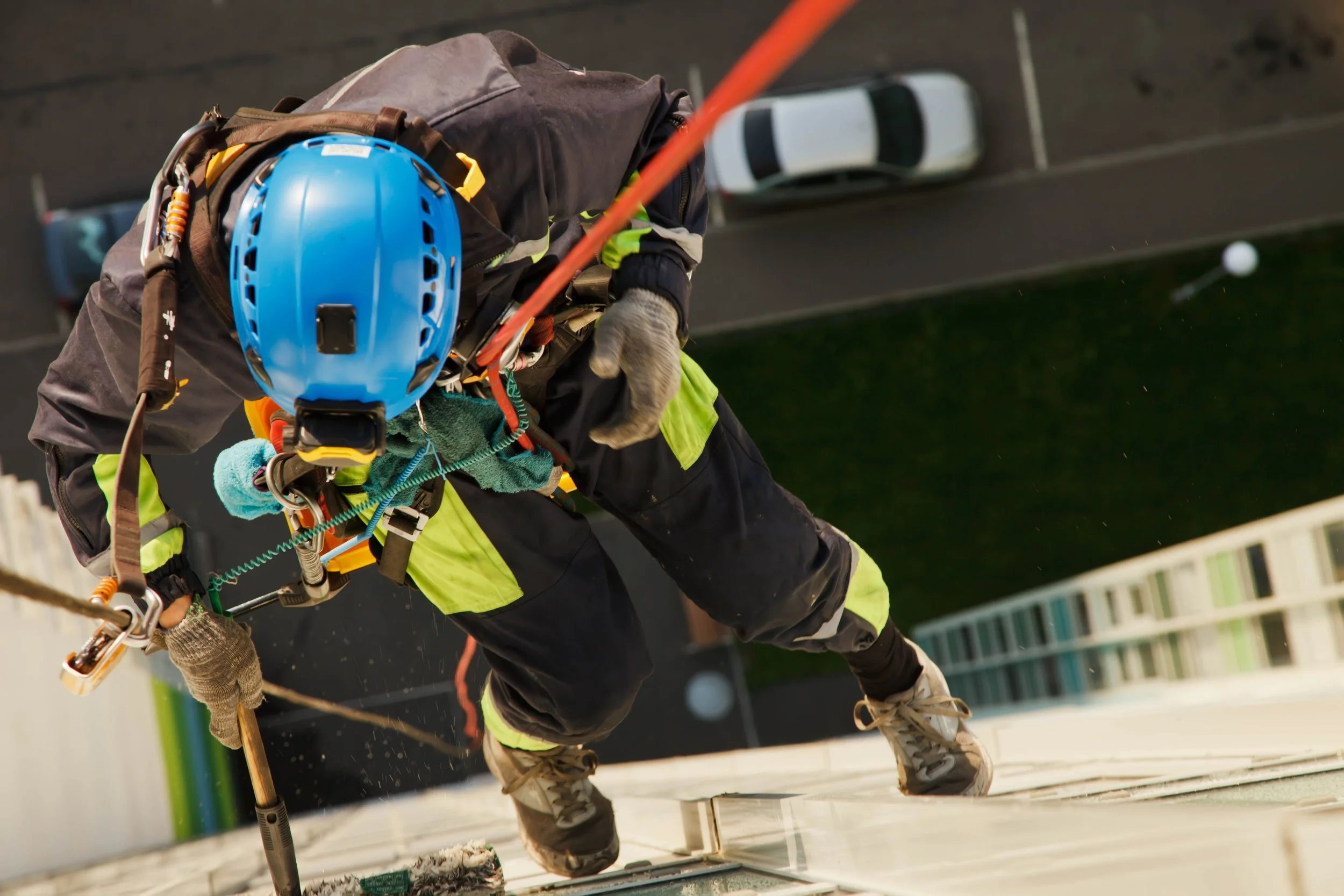
Fall protection and elevated work: Recognizing hazards involving ladders, scaffolds, walking-working surfaces, and fall exposures.
Equipment and jobsite safety: Understanding common hazards associated with tools, machinery, materials handling, and changing work conditions.
Electrical safety and protective equipment: Recognizing electrical hazards and understanding the importance of appropriate controls.
Safety communication and incident prevention: Understanding why reporting concerns, corrective action, and clear expectations matter.
Exact course content follows the applicable OSHA Outreach Training Program requirements.
The objective is straightforward.
Help your supervisors recognize what can go wrong, understand why it matters, and know when action is needed.
-
If you're trying to decide between OSHA 10 and OSHA 30, start with one question:
What responsibilities does this employee have?
OSHA 10 generally provides introductory hazard-awareness training for workers.
OSHA 30 provides more extensive instruction and is commonly chosen for employees with greater safety responsibilities.
OSHA 30 may be the better fit for someone who:
Leads or supervises employees.
Oversees active construction or industrial work.
Helps identify and address workplace hazards.
Reinforces safety expectations.
Participates in inspections or corrective actions.
Must meet an applicable project or contractor training requirement.
OSHA 30 is not an OSHA certification, does not guarantee regulatory compliance, and does not replace task-specific or equipment-specific training required by applicable standards.
Not sure which course is appropriate?
You don't need to have that figured out before calling.
Tell us what your employees do. We'll discuss the available training options and help you identify the next step.

Why Trust Jeffery Barnett With Your Supervisors' Safety Training?
Anyone can put safety information on a screen.
But your supervisors aren't working inside a presentation.
They're working around equipment, deadlines, changing conditions, multiple trades, and people who depend on them to make sound decisions.
Your team needs more than someone who can explain a rule. They need an instructor who understands what that rule looks like in the real world.
That's the perspective Jeffery Barnett brings to OSHA 30 training.

Real-World Experience Behind the Instruction
Jeffery, owner and Chief Consultant of Boston Safety & Compliance, has worked in workplace safety training, OSHA compliance, construction safety, investigations, and expert witness services.
His background includes experience involving:
OSHA regulations and workplace safety requirements.
Construction and industrial operations.
Fall protection and scaffold safety.
Aerial lifts and elevated work.
Workplace accident investigations.
Hazard recognition and safety program development.
Expert witness analysis involving workplace safety matters.
Law Enforcement & Investigative Experience
Jeffery's professional education and safety training background include Certified Safety and Health Official (CSHO) and Safety, Health & Environmental Professional (SHEP) credentials.
His experience helps connect course material to the safety concerns supervisors may encounter during everyday operations.
Your Supervisors Need Training They Can Actually Use
Think about the last time your company sent someone to a training class.
Did they come back with information they could explain?
Or just paperwork proving they attended?
Training is more valuable when participants understand how the information connects to their responsibilities.
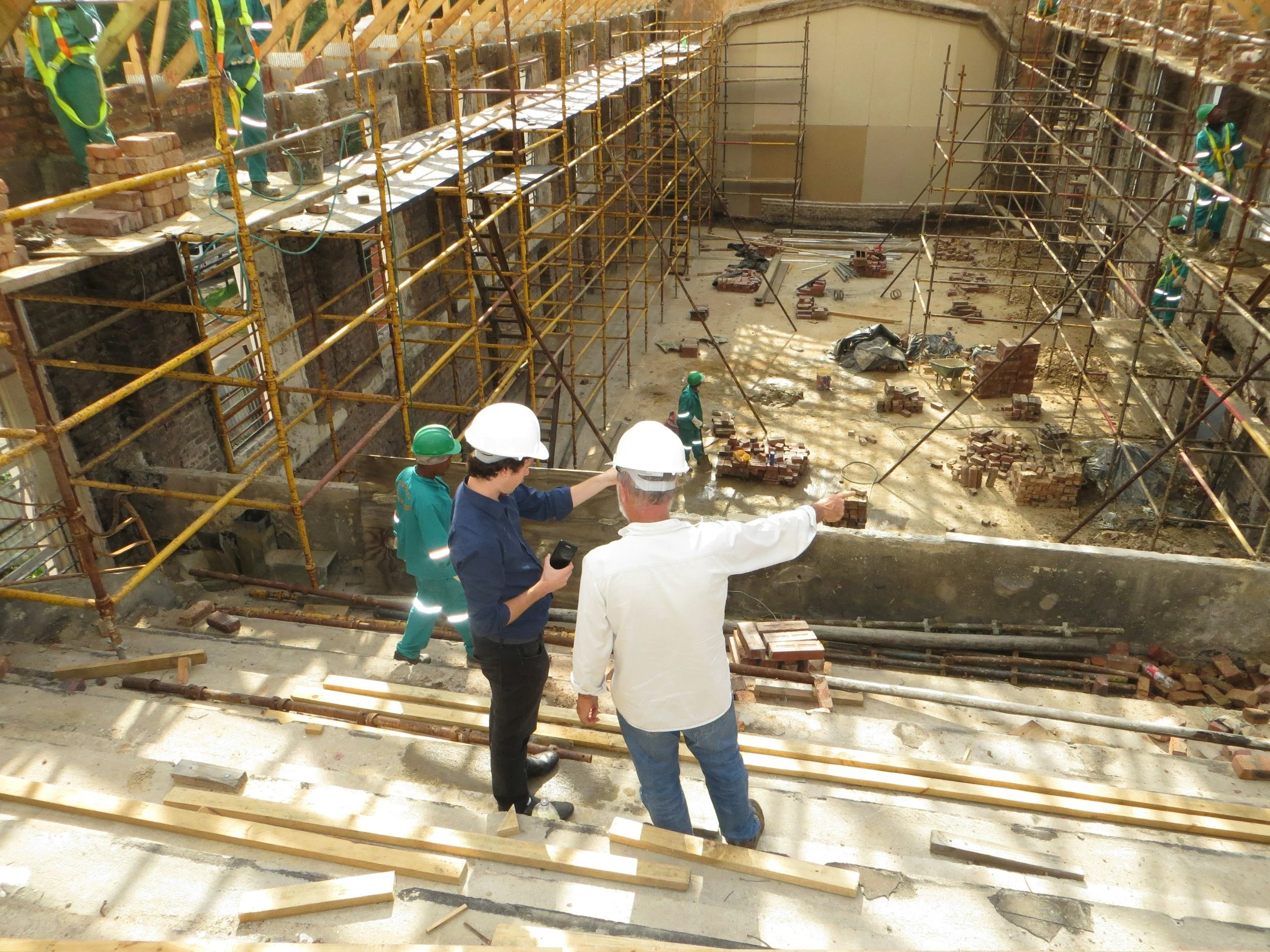
Jeffery's approach emphasizes practical examples, hazard awareness, and the importance of making informed field decisions.
Your supervisors aren't expected to leave class knowing everything.
But they should have a stronger foundation for recognizing hazards, asking the right questions, and understanding when additional action or expertise is needed.
The Experience to Explain Why Details Matter
Jeffery's work in workplace safety consulting, investigations, and expert witness matters brings another perspective to his instruction.
When an incident occurs, investigators and other parties may examine what employees knew, what hazards were present, what training had been provided, and how safety concerns were addressed.
Those details matter.
And they are worth understanding before something goes wrong.
The goal isn't to frighten your supervisors into taking safety seriously. It's to give them knowledge they can use to lead responsibly.
That's why training from someone with real field and investigation experience can be valuable.
Getting Your Team Trained Shouldn't Be Complicated
You already have projects to manage, people to supervise, and deadlines to meet.
Arranging OSHA 30 training shouldn't become another problem on your list.
We'll start with your workforce, the type of work they perform, and the requirements you're trying to address.
Then we'll discuss the appropriate training arrangements.
-
Maybe you're preparing for a new project.
Maybe a general contractor requires OSHA 30 cards.
Maybe you've promoted experienced workers into supervisory roles.
Or maybe you're growing and want stronger, more consistent safety leadership.
Whatever brought you here, start with a conversation.
We'll discuss your employees, their responsibilities, your location, and what you're trying to accomplish.
-
OSHA 30 training involves 30 instructional hours.
Current planned course arrangements include:
Class size: 3–20 participants.
Schedule: Four days, with up to 7.5 instructional hours per day.
Location: Onsite or arranged-venue options, subject to availability.
Service area: Oklahoma and qualifying nationwide engagements.
Additional arrangements: Multiple crews, shifts, locations, or bilingual instruction may be discussed.
We'll review the course requirements and logistics before confirming the engagement.
-
Participants receive instruction under the applicable OSHA Outreach Training Program requirements.
Upon successful course completion, eligible participants receive OSHA student course-completion cards through the applicable processing system.
More importantly, your supervisors have an opportunity to strengthen the hazard-awareness knowledge they bring back to the workplace.
It's a simple process with a meaningful purpose: help your leaders become better prepared for the safety responsibilities they carry.
How Much Does OSHA 30 Training Cost?
You shouldn't have to guess whether a training quote fits your operation.
OSHA 30 pricing depends on factors such as:
Number of participants and classes.
Construction or General Industry course selection.
Training location and travel.
Scheduling and venue requirements.
Materials and applicable processing costs.
A single group at one jobsite is different from multiple crews across several locations.
We'll discuss the details of your request so the proposed arrangement reflects the actual work involved.
Ready to Get Started?
OSHA 30 Training in Oklahoma and Nationwide
Boston Safety & Compliance is based in Chickasha, Oklahoma, and serves businesses throughout Oklahoma, including Oklahoma City, Norman, Edmond, Moore, Yukon, Tulsa, Stillwater, Lawton, and surrounding communities.
For businesses managing projects outside Oklahoma, nationwide training may be available for qualifying engagements.
Whether you're managing one construction crew or coordinating supervisors across multiple locations, let's discuss what your team needs.
Better-Trained Supervisors. Safer Decisions. Greater Peace of Mind.
At the end of a long workday, you shouldn't have to wonder whether your supervisors knew how to recognize a serious hazard.
You want confidence in the people you've trusted to lead.
You want your crews to understand that safety matters even when the schedule gets tight.
You want employees to speak up when something isn't right.
And above all, you want your people to go home safely.
OSHA 30 training can't eliminate every workplace hazard or replace the safety systems your business needs.
But it can help equip supervisors with valuable knowledge, improve their awareness of workplace risks, and reinforce the responsibilities that come with leading others.
Because the people responsible for your crews deserve to be prepared for that responsibility.
And the people working under them deserve nothing less.
Frequently Asked Questions About OSHA 30 Training
-
No. OSHA does not generally require every supervisor to complete OSHA 30. However, certain projects, employers, contractors, states, or local jurisdictions may establish training requirements. The right course depends on the employee's responsibilities and the requirements that apply to the work.
-
OSHA 30 includes 30 instructional hours. Boston Safety & Compliance's planned schedule is four days, with up to 7.5 instructional hours each day. Successful participants receive an OSHA student course-completion card through the applicable Outreach program process.
-
Onsite training may be available depending on class size, location, scheduling, and course requirements. Boston Safety & Compliance serves businesses throughout Oklahoma and considers qualifying nationwide engagements. Contact us to discuss the arrangements that fit your organization.
Your Team Is Counting on Its Leaders. Give Them the Training to Lead Well.
You don't need another complicated safety initiative.
You need a clear next step toward stronger safety leadership.
Tell us who needs OSHA 30 training, what work they supervise, and where your team is located.
We'll discuss the training options, review the requirements, and help you determine how to move forward.
Boston Safety & Compliance — Real-World Training for the People Responsible for Keeping Your Team Safe.