
Scaffold Safety Training in Oklahoma That Helps Protect Your Crew
Your employees shouldn't have to discover a scaffold is unsafe after they're already standing on it.
One missing guardrail.
One unstable platform.
One unsafe access point.
One overlooked hazard.
That's all it can take to turn a routine workday into a serious incident.
And when you're responsible for the crew working above the ground, you want to know they've been trained to recognize the risks before stepping onto the scaffold.
Boston Safety & Compliance provides practical scaffold safety training that helps workers recognize hazards, understand safer work practices, and know when a condition needs to be addressed before work continues.
Led by Jeffery Barnett, our training connects OSHA scaffold safety requirements to the real-world conditions employees face on construction sites, industrial projects, and commercial jobsites.
Because you're not simply trying to complete another safety class.
You want workers who recognize unsafe conditions, supervisors who reinforce safety expectations, and greater confidence that your people are prepared before they work at height.
Based in Chickasha, Oklahoma, we serve businesses throughout the state and offer nationwide training for qualifying engagements.
Tell us what scaffold systems your employees use, how many people need training, and what prompted your request.
Your Crew Trusts the Scaffold Beneath Them. But Do They Know What Makes It Unsafe?
Every day, workers step onto scaffolds expecting them to provide a stable place to do their jobs.
They focus on installing materials, repairing buildings, completing construction projects, or maintaining equipment.
Most aren't thinking about everything that could go wrong.
And that's where unsafe assumptions can become dangerous.
Consider what happens when:
A worker uses an improper access point because it's faster.
A platform is missing components or has an unprotected edge.
Materials are stacked without considering load limits.
Someone modifies a scaffold without proper authorization.
Workers continue using a scaffold after conditions change.
A supervisor notices a concern but doesn't address it.
These aren't problems you want your employees figuring out while they're already working above the ground.
And you shouldn't have to wonder whether your crew recognizes an unsafe scaffold every time they step onto a platform.
The Real Danger Is What Your Workers Don't Know to Question
A scaffold may look safe at first glance. But appearances don't tell the whole story. A platform may have an unsafe gap. An access point may be damaged. A component may be missing. Another trade may have changed something since the last inspection.
Your employees need to understand that a familiar scaffold isn't automatically a safe scaffold.
Imagine having workers who are better prepared to:
Recognize missing or damaged components.
Understand proper scaffold access.
Identify fall hazards and unsafe platform conditions.
Recognize potential overloading and falling-object hazards.
Report unsafe conditions before continuing work.
Understand when a scaffold should not be used.
That's what practical scaffold safety training helps reinforce.
The goal isn't to make workers afraid of working at height. It's to help them recognize the difference between an acceptable work area and one that needs attention.
Because when the work is elevated, better decisions need to happen before someone steps onto the platform.
Let's Get Your Crew Ready to Work Safer.
What Will Your Employees Learn in Scaffold Safety Training?
Scaffold safety training helps employees understand the hazards associated with working on, using, and working around scaffold systems.
But not every scaffold is the same.
A supported scaffold used for masonry work presents different considerations from a suspended scaffold used on a building exterior.
That's why your employees need training that reflects the equipment, tasks, and conditions they actually encounter, not just a generic safety presentation.
Jeffery connects scaffold safety principles to the situations workers and supervisors face on real jobsites.
-
Depending on the scaffold system, employee responsibilities, and training scope, instruction may include:
Scaffold hazard recognition: Identifying missing components, unstable conditions, damaged equipment, and unsafe modifications.
Safe access and egress: Understanding appropriate access points, ladders, stair systems, and unsafe climbing practices.
Platform safety: Recognizing openings, platform gaps, housekeeping concerns, and improper material placement.
Fall protection awareness: Understanding guardrails, fall hazards, and fall protection requirements relevant to the scaffold system.
Scaffold inspection awareness: Recognizing visible concerns that should be reported and addressed before use.
Load and material awareness: Understanding why platform capacity and material placement matter.
Worker and supervisor responsibilities: Recognizing unsafe practices, reporting hazards, and reinforcing safety expectations.
Training may also address changing weather conditions, nearby equipment, falling objects, and work being performed by other trades.
-
That depends on what your employees actually do.
Someone who uses a scaffold may have different training needs from someone who erects, alters, dismantles, or inspects the system.
Your workforce may need:
General scaffold user training.
Scaffold erection or dismantling training.
Competent-person-related instruction.
Suspended scaffold or swing-stage training.
Separate fall protection training.
Other equipment-specific or task-specific instruction.
These courses aren't automatically interchangeable.
And completing a general scaffold awareness course does not automatically qualify someone as a competent person.
The employer remains responsible for identifying and meeting applicable OSHA requirements, including designating competent persons who possess the required knowledge and authority.
If you're unsure which training is appropriate, start with the scaffold system and the responsibilities your employees have.
-
Training may be appropriate for workers and supervisors involved in scaffold work, including:
Construction workers and general contractors.
Roofing crews and specialty subcontractors.
Masonry and restoration teams.
Glass and glazing contractors.
Painters and building maintenance employees.
Industrial and commercial maintenance teams.
Scaffold users, erectors, and dismantling crews.
Supervisors, foremen, and safety managers.
Employees who work around scaffolds may also need instruction appropriate to their exposure and job responsibilities.
Not Sure What Kind of Scaffold Training Your Team Needs?
Tell us what systems they use and the work they perform.

Why Businesses Trust Jeffery Barnett With Their Scaffold Safety Training
You don't need someone to tell your employees that falling from a scaffold can be dangerous.
They already understand that working at height carries risk.
What they need is someone who can explain the conditions that make scaffold work unsafe and how to recognize those conditions before something goes wrong.
That's where Jeffery Barnett's real-world safety experience makes a difference.
-
Jeffery Barnett, owner and Chief Consultant of Boston Safety & Compliance, brings experience in workplace safety, OSHA compliance, construction safety, investigations, and specialized elevated-work training.
His background includes:
OSHA regulations and workplace safety compliance.
Scaffold systems and swing-stage safety.
Fall protection and elevated-work hazards.
Construction, industrial, and high-risk environments.
Aerial lifts and specialized access equipment.
Workplace safety inspections and accident investigations.
Police and detective work, including investigative analysis and attention to detail.
Expert witness case analysis involving workplace safety and accidents.
Jefferys professional background includes Certified Safety and Health Official (CSHO) and Safety, Health & Environmental Professional (SHEP) credentials.
He has provided safety training and services in 26 states across more than 35 industries, including work with nine major general contractors.
His experience also includes tower climbing and safety training for the National Oceanic and Atmospheric Administration (NOAA).
That broader background helps him connect training concepts to the conditions workers may encounter on active jobsites.
-
Jeffery's investigation and expert witness work adds another perspective to his instruction.
When a scaffold-related incident occurs, investigators may examine questions such as:
Was the scaffold inspected?
Were components missing?
Was the platform properly supported?
Was fall protection addressed?
Did workers have safe access?
Had someone modified the scaffold?
Did employees know what hazards to recognize?
Had supervisors responded to previous concerns?
Those questions matter after an incident.
But they're even more valuable when workers know what to look for before stepping onto the scaffold.
That's why training emphasizes practical hazard recognition, scaffold conditions, and the responsibilities of employees and supervisors.
-
Your employees don't need vague reminders to “be careful.”
They need to understand what unsafe scaffold conditions look like.
They need to know why proper access matters, why missing components are a concern, and why changes to the scaffold may require another evaluation.
Jeffery focuses on understandable instruction and examples connected to real working environments.
Because knowing how to work from a scaffold is one thing. Knowing when you shouldn't step onto it is just as important.
Scaffold Safety Training That Fits Your Crew, Equipment, and Schedule
You've got projects to complete, employees to manage, and schedules that don't leave much room for unnecessary complications.
Getting your crew trained shouldn't become another difficult project.
That's why we start with your
Getting Started Is Simple
-
We'll discuss the types of scaffolds your employees use, how many people need training, where the work takes place, and what prompted the request.
Maybe you're beginning a new project.
Maybe a general contractor requires training documentation.
Maybe you're assigning employees to scaffold work for the first time.
Or maybe you've noticed unsafe practices that need attention.
Whatever brought you here, that's where we begin.
-
We'll review the scaffold systems, employee roles, worksite conditions, scheduling needs, and whether specialized instruction should be considered.
Some crews need general scaffold user training.
Others may need additional instruction for suspended scaffolds, fall protection, erection or dismantling activities, or competent-person responsibilities.
The goal is to identify the appropriate training, not add unnecessary classes.
-
Training is delivered according to the agreed scope, with instruction focused on the hazards, equipment, and responsibilities involved.
Depending on the engagement, training records or completion documents may be available.
Any documentation should accurately describe the instruction completed and should not imply qualifications or authority that were not established.
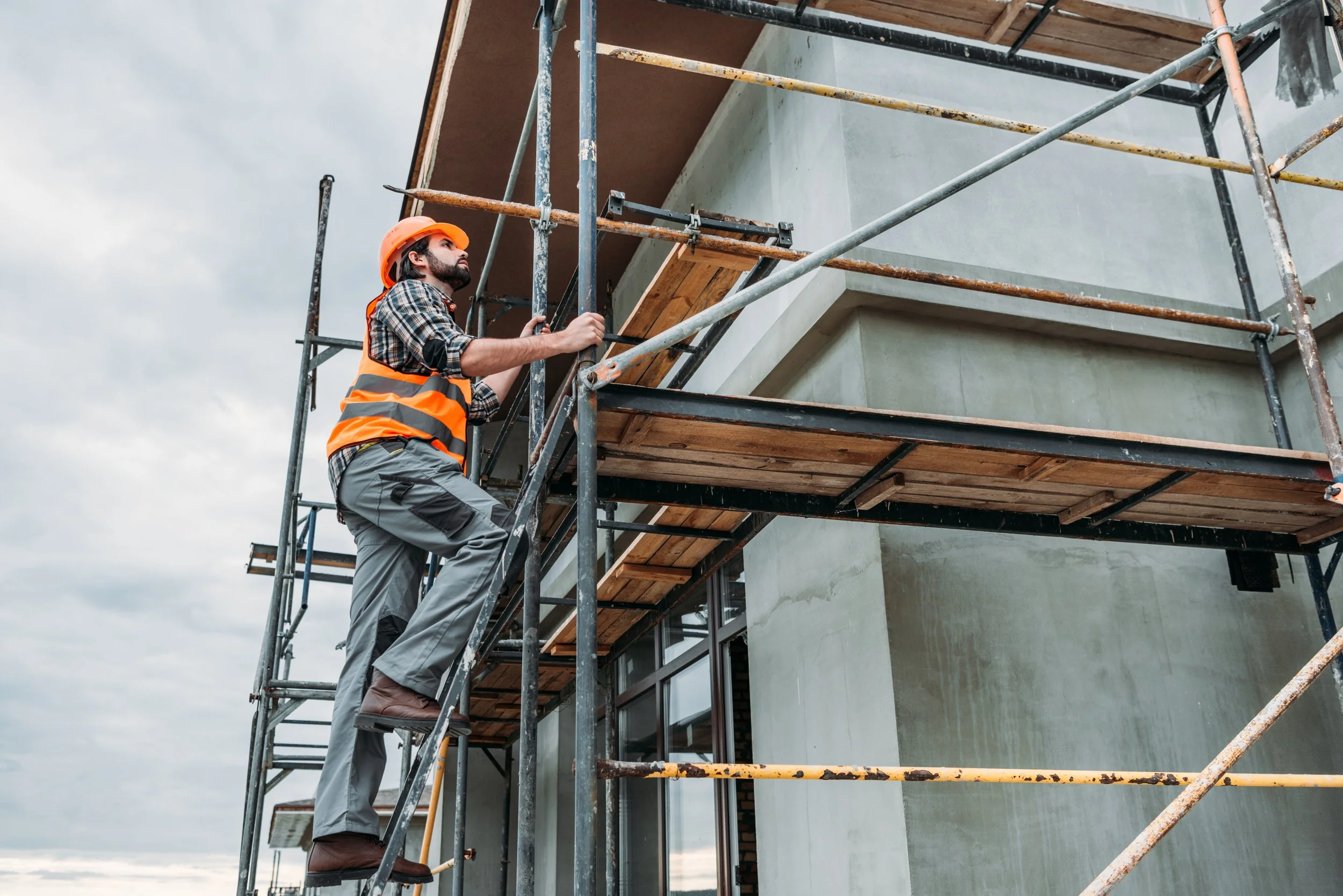
Can Scaffold Training Be Provided at Our Jobsite?
Onsite scaffold safety training may be available for qualifying engagements.
This can be especially useful when employees need instruction involving the actual scaffold systems and jobsite conditions they work around.
Potential arrangements include:
Onsite instruction at your workplace.
Training at an arranged venue.
Practical demonstrations where appropriate.
Employee and supervisor-focused training.
Multiple crews, shifts, and locations.
Qualifying nationwide engagements.
The training format depends on the scaffold system, worksite conditions, equipment access, and course requirements.
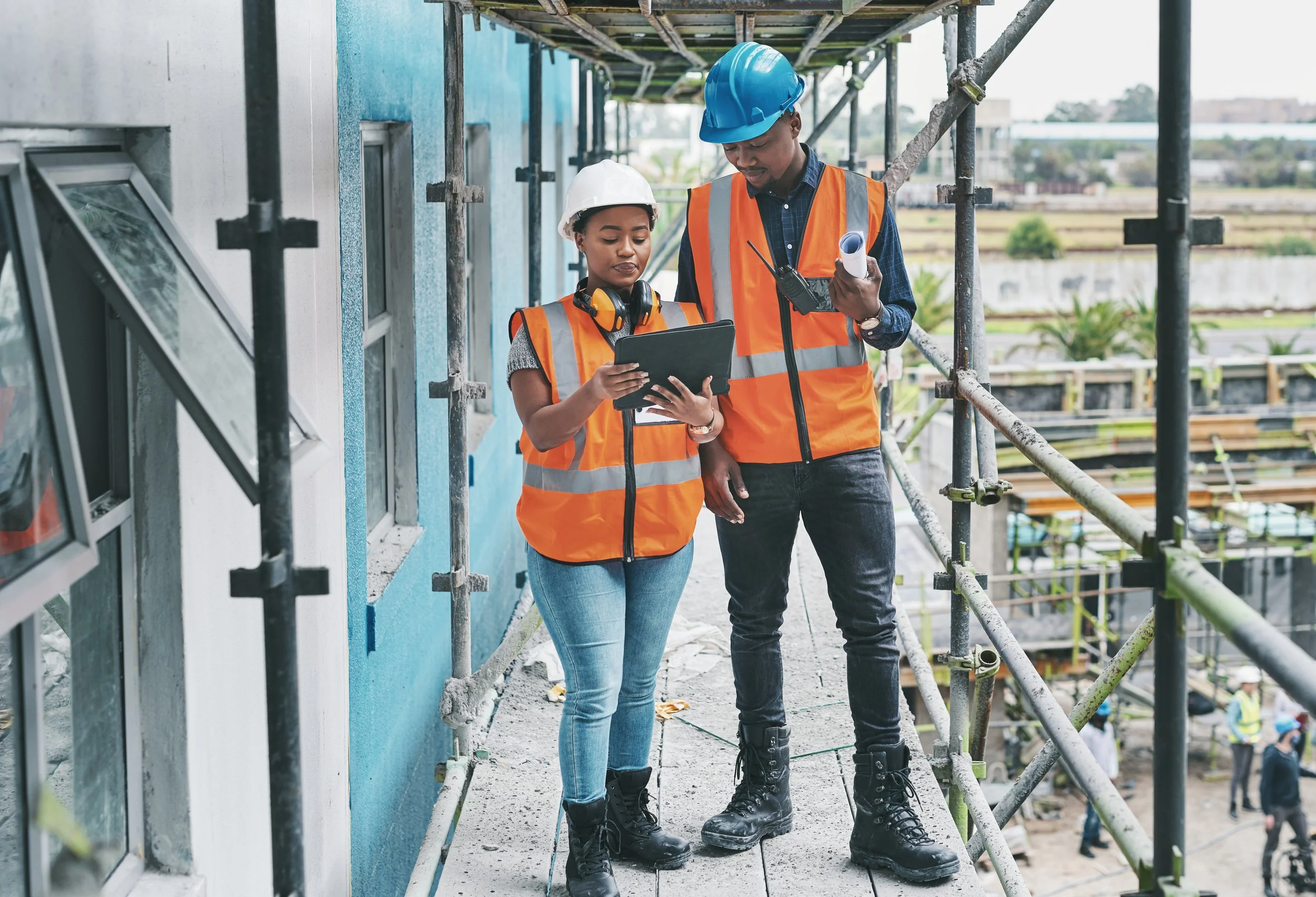
How Much Does Scaffold Safety Training Cost?
Training costs depend on your workforce and the type of instruction needed.
Factors may include:
Number of participants and sessions.
Scaffold type and employee responsibilities.
Course length and customization.
Specialized suspended-scaffold content.
Onsite access and demonstration requirements.
Location, travel, and scheduling.
Related fall protection instruction.
A general scaffold user class is different from specialized instruction involving suspended access systems or additional supervisory responsibilities.
We'll discuss the details of your request before defining the appropriate scope and pricing.
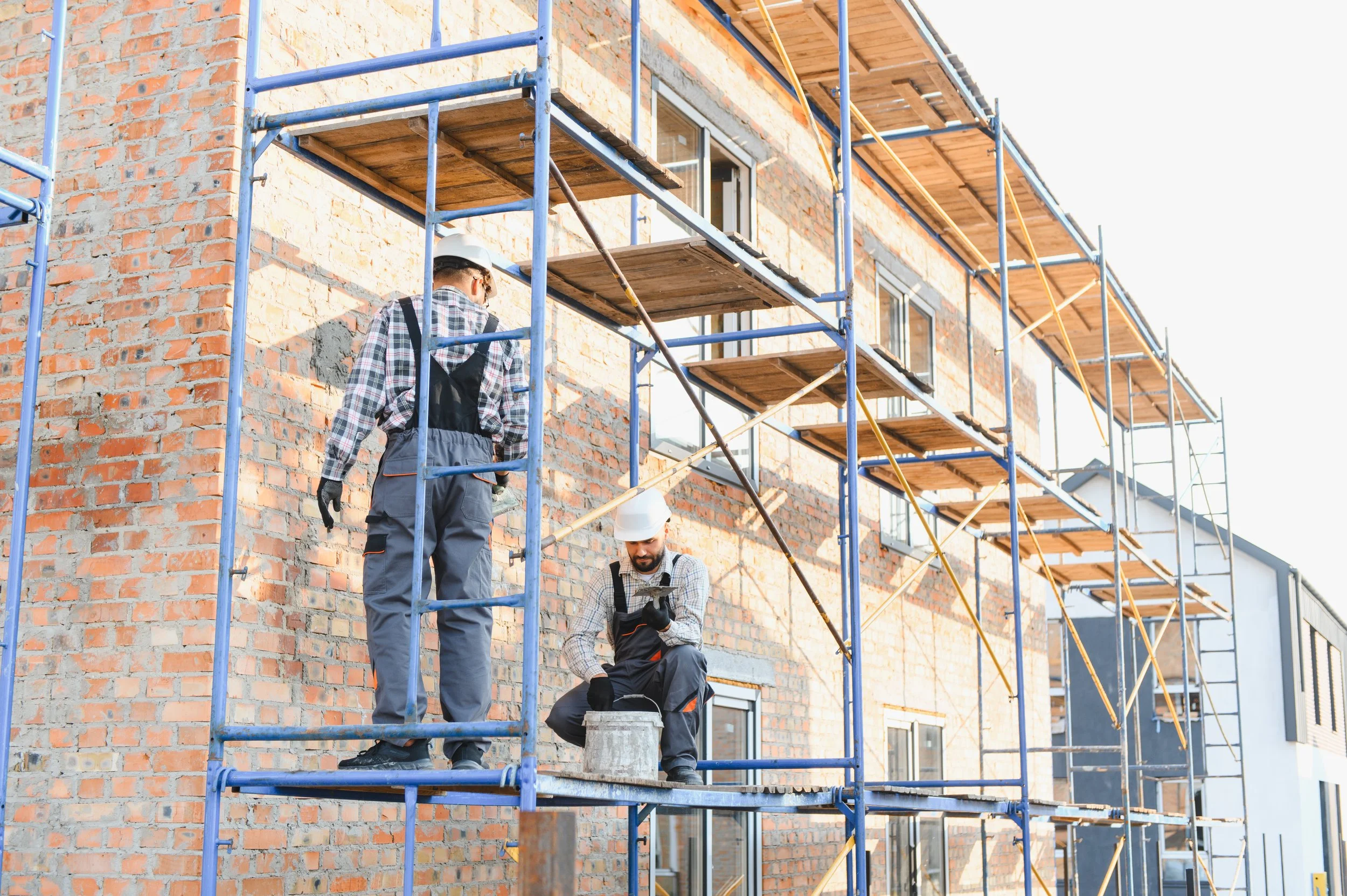
Scaffold Safety Training in Oklahoma and Nationwide
Boston Safety & Compliance is based in Chickasha, Oklahoma, serving businesses throughout the state, including Oklahoma City, Norman, Edmond, Moore, Yukon, Tulsa, Stillwater, Lawton, and surrounding communities.
Nationwide training may also be available for qualifying organizations depending on location, scaffold systems, equipment access, scheduling, and training needs.
Whether you're preparing a small construction crew or coordinating training across multiple jobsites, the first step is telling us what your employees do.
Ready to Get Your Crew Trained?
Before Your Crew Steps Onto a Scaffold, Give Them the Knowledge to Recognize the Risk
That hazards have been recognized and addressed.
And that the people responsible for the work understand what safe conditions should look like.
You can't eliminate every hazard associated with scaffold work.
But you can help employees understand the risks, recognize unsafe conditions, and know when something needs to be reported or corrected.
That's not just another training requirement. It's a practical investment in the people who make your business possible.
Because a completed project matters.
But making sure the people who completed it have the opportunity to go home safely matters even more.
When your employees work at height, they're trusting the equipment beneath them.
They're trusting that the access is appropriate.
That the platform is stable.
Frequently Asked Questions About Scaffold Safety Training
-
OSHA has training requirements for employees involved in scaffold work. The specific training depends on the type of scaffold, employee responsibilities, work activities, and applicable standards. Employers are responsible for identifying the requirements that apply to their workforce.
-
No. General scaffold user training is not automatically competent-person training. Employees designated as competent persons must have the knowledge to identify relevant hazards and the authority to take prompt corrective measures. Additional training may be appropriate depending on their responsibilities.
-
Specialized suspended-scaffold or swing-stage instruction may be available depending on the engagement. These systems involve distinct equipment, rigging, fall protection, and emergency considerations. Confirm the specific equipment and training needs before scheduling.
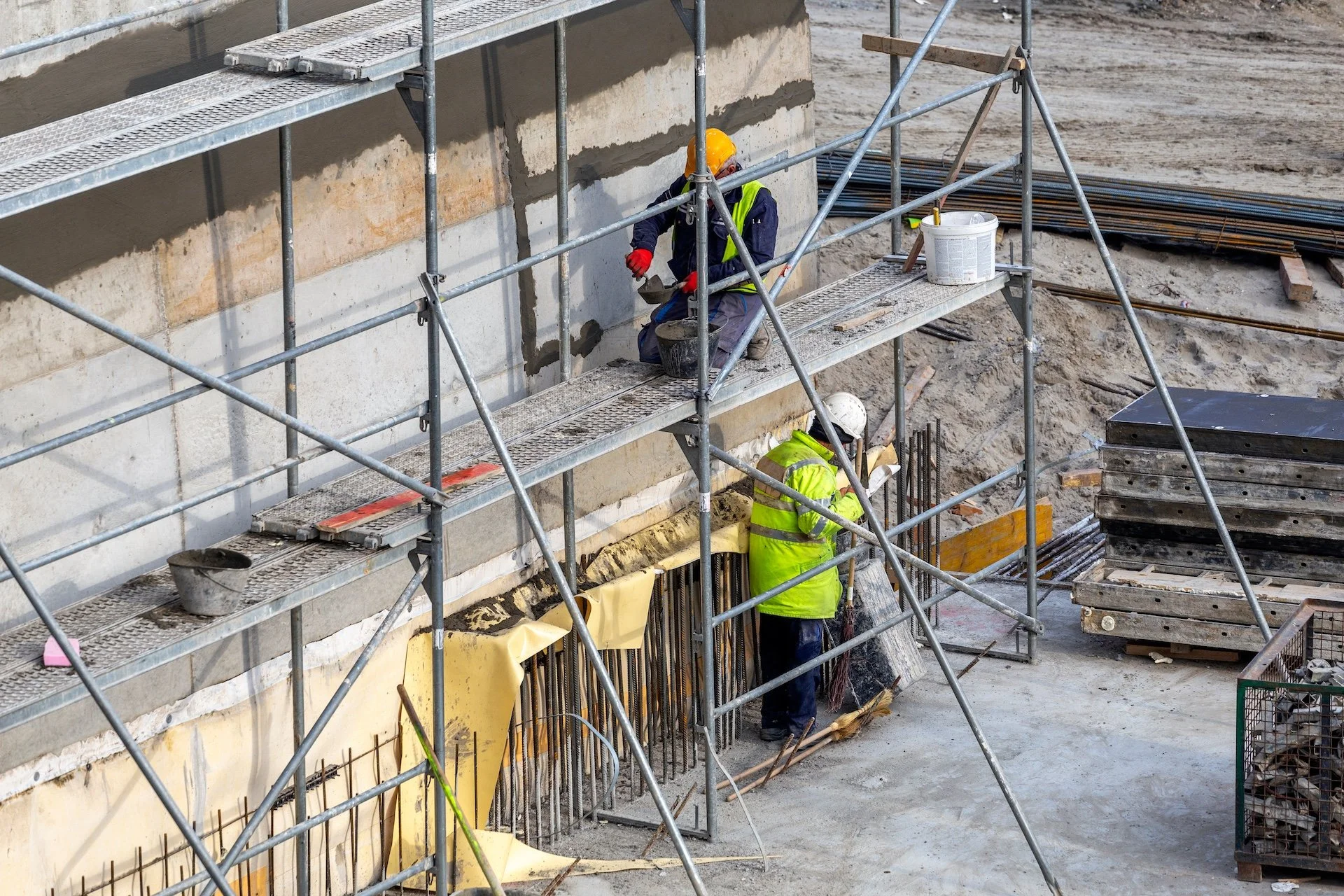
Your Crew Is Working Above the Ground. Make Sure They Understand What's Beneath Them.
Your employees shouldn't have to learn an important scaffold safety lesson after someone gets hurt.
Give them the opportunity to understand scaffold hazards, recognize unsafe conditions, and make better decisions before work begins.
Whether you're preparing for a new project, training new employees, or addressing repeated safety concerns, we're ready to discuss your training needs.
Tell us what scaffold systems your crew uses, how many employees need training, and where the instruction needs to take place.
We'll help you identify the next practical step.